We lick our lips, murmur contentedly, and feel a pleasant warmth in our stomachs. Because we love to eat well. Enjoyment stimulates our brains and floods us with feel-good hormones. And yet this love affair between us and our food has a bizarre downside: one-third of the food grown worldwide doesn’t end up on our plates, but in the trash.
This drama often unfolds so secretly, quietly, and discreetly—hidden away in our kitchens or in the backyards of restaurants and supermarkets—making it difficult to uncover. With this focus, we’re shining a spotlight on those hidden corners where food is being wasted on a massive scale. And we’re looking around for innovators and people who think outside the box. Of course, we’ll also explore the list of solutions that are already—and in abundance—at our disposal.
[av_heading heading='Because we only save what we value’ tag=’h3′ style=“ size=“ subheading_active=“ subheading_size=’15‘ padding=’10‘ color=“ custom_font=“ admin_preview_bg=“][/av_heading]
Thanks to campaigns, films, and media coverage in recent years, it is dawning on many that the issue of food waste is likely moving further and further up our collective to-do list. Numerous documentaries and feature films, such as Erwin Wagenhofer’s“We Feed the World”or Valentin Thurn’s“Taste the Waste,”may have already shaped our visual understanding of the scale of the food waste crisis. In the“Good to Know”section, we outline the scope of the problem once again and lay the table with plenty of ammunition for aspiring food savers. It is becoming increasingly clear that it takes many people to champion this cause. Although glimmers of hope are steadily growing, a major shift in thinking is not (yet) in sight. [av_promobox button=’no‘ label=’Click me‘ link=’manually,http://‘ link_target=“ color=’theme-color‘ custom_bg=’#444444′ custom_font=’#ffffff’ size=’large’ icon_select=’no’ icon=’ue800’ font=’entypo-fontello’ box_color=“ box_custom_font=’#ffffff’ box_custom_bg=’#444444’ box_custom_border=’#333333’ admin_preview_bg=“]
“Throwing away food is senseless—economically, ecologically, and ethically.”
Achim Steiner, Executive Director of the United Nations Environment Programme
[/av_promobox] That’s why we’re bringing pioneers who are bucking the trend with their highly conscious approach to food to the forefront of our special feature. For example, we take a peek into the kitchen of award-winning organic chef and regional culinary revolutionary Jeremias Riezler. He tells us how he cooks creatively, seasonally, and organically in defiance of the gastronomic mainstream of buffet and steak culture. As a restaurateur, he feels a shared responsibility to ensure that it’s not just fillets that end up in the pan, but that—in keeping with the “nose-to-tail” philosophy—as many parts of an animal as possible are used. And he likes to challenge his guests with this approach:
“It takes perseverance and education,” says Michelin-starred organic chef Jeremias Riezler. He also calls for more respect for our vegetables, noting that there is a lack of it as far as the eye can see.
We also take a closer look at the concept of “nose-to-tail” in another article in this special feature. And we ask ourselves what mindset, what knowledge, or even what incentives would be needed to dig out recipes for exotic-sounding cuts of meat from Grandma’s recipe book, or to try out new, creative “nose-to-tail” recipes.
[av_heading heading='It's All About the Big Picture’ tag=’h3′ style=“ size=“ subheading_active=“ subheading_size=’15‘ padding=’10‘ color=“ custom_font=“ admin_preview_bg=“][/av_heading]
How we would love to absolve ourselves of responsibility and blame large-scale food waste on farming practices, logistics, or other failures that have little to nothing to do with us personally. But the facts tell a different story. The vast majority of food that ends up in the trash becomes waste while in our care. Whether we’re acting as a cook, a fridge-stocker, or a restaurant patron, we can’t secretly slip away from our responsibility.
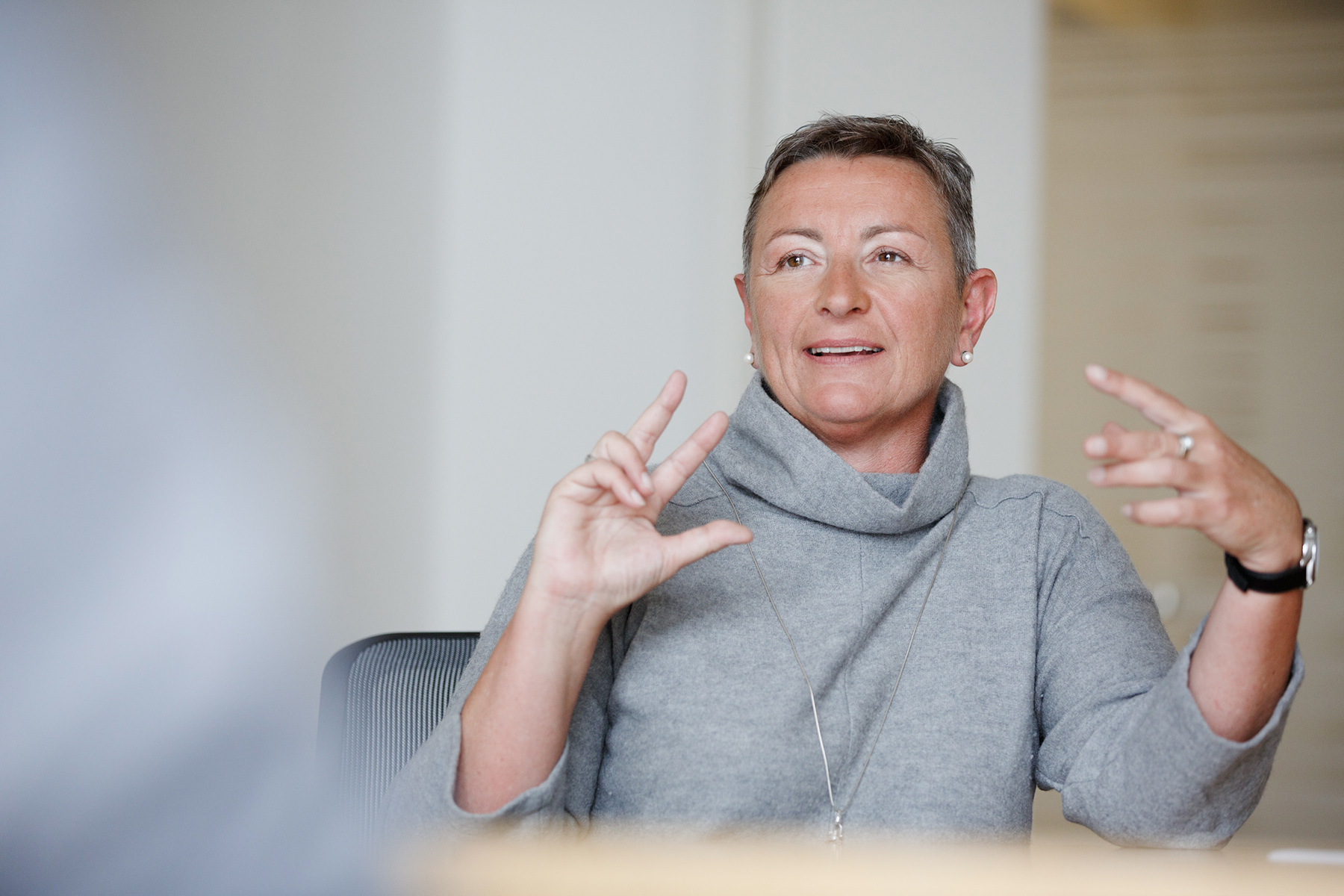
This also becomes clear in our conversation with Gudrun Obersteiner, an expert in waste management at BOKU in Vienna. She takes a look with us into the depths of our refrigerators and compost bins. And she debunks common myths: Food belongs in the refrigerator, and it has been proven that tomatoes and apples do not lose their flavor there.
Gudrun Obersteiner has plenty of ideas on how we can change our everyday habits and adopt a more mindful approach to food: it’s all a matter of perspective. And it’s really not that difficult.
She sums it up: if we want to tackle the problem systematically, no one can shirk their responsibility—not consumers, retailers, restaurants, or farmers. Everyone must work together to plug the major leaks in food waste.
[av_heading heading='How to plug the leaks?' tag='h3' style=" size=" subheading_active=" subheading_size='15' padding='10' color=" custom_font=" admin_preview_bg="][/av_heading]
It doesn’t have to be tedious and cumbersome. There can also be lighthearted and creative solutions. That’s why we’re dedicating a separate article to these “lifelines” for food. Let’s consider whether “post-harvest” could become a new trend here as well. Discover that we could eat much “more” of a plant than we often realize. Daring food innovators don’t stop at kohlrabi leaf chips and banana peel ragout. But we’re also putting up signposts that can help make it easy and hassle-free to share food with others.
[av_heading heading='The First Step' tag='h3' style=" size=" subheading_active=" subheading_size='15' padding='10' color=" custom_font=" admin_preview_bg="][/av_heading]
And finally, based on this focus, we’d like to nominate you for a new title: Refrigerator Manager. This job comes with a fair share of responsibility, but the perks are nothing to sneeze at. Will you accept the nomination?
After all, every day we all open the door that determines whether we face ruin or salvation: the refrigerator door.
No matter where we start, food rescue has been proven to create a win-win-win situation. It’s good for your wallet, good for the climate and the environment, and—when you think it through—it even brings a great deal more fairness to our interconnected world.
If you’ve found a special way to keep food from ending up in the trash, please share it with us—leave a short comment about your idea!
[av_promobox button='no' label='Click me' link='manually,http://' link_target="" color='theme-color' custom_bg='#444444' custom_font='#ffffff’ size=’large’ icon_select=’no’ icon=’ue800’ font=’entypo-fontello’ box_color=“ box_custom_font=’#ffffff’ box_custom_bg=’#444444’ box_custom_border=’#333333’ admin_preview_bg=“]
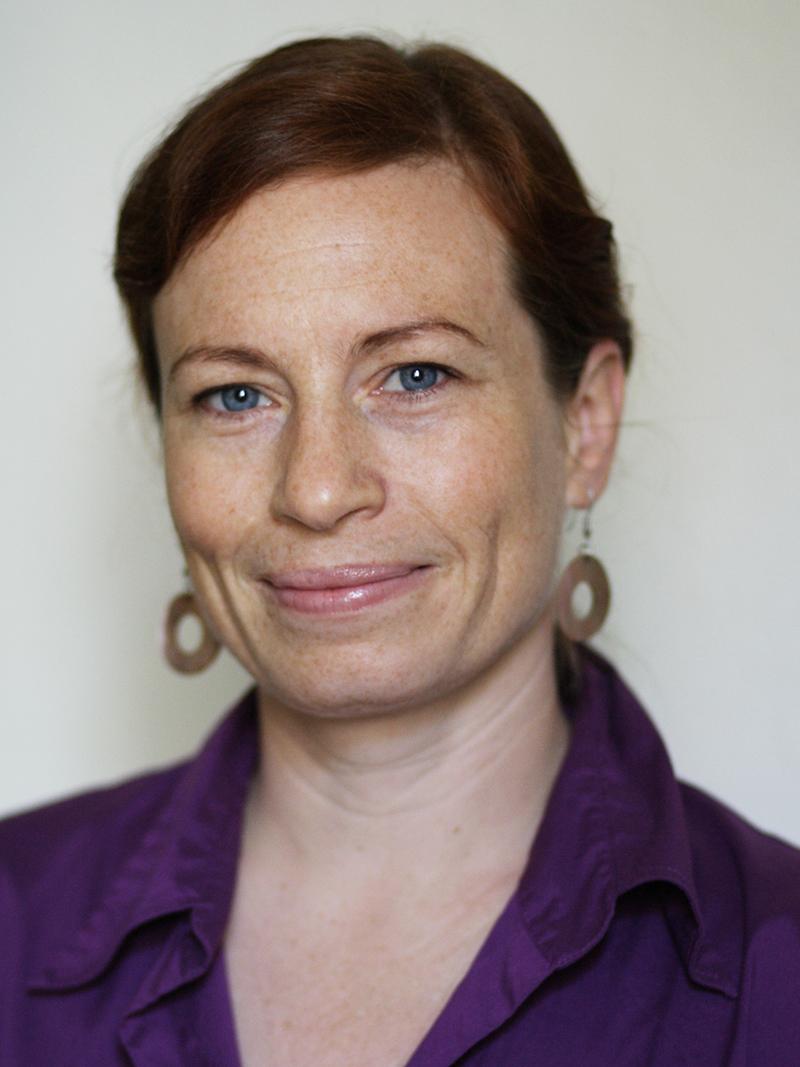 About the Author
Dr. Sybille Chiari is a member of the editorial team for “Nachhaltigkeit. Neu denken” and has been engaged in sustainability and climate communication for many years—both through research and writing. She is part of the Scientists for Future movement and chairwoman of the Bele Co-Housing association (a communal housing project featuring organic, regenerative agriculture ; www.belehof.at).
[/av_promobox]