Leather made from mushrooms? While this may sound a bit strange, it could be a viable alternative to leather made from animal hides.
The idea of “vegan” leather is not new—above all, synthetic leather, a composite consisting of a textile base (e.g., fabric) and a plastic top layer, has been used as a substitute for leather for over 100 years. While no animals are killed in the process, synthetic leather is by no means environmentally friendly. Made from mineral oil and containing plasticizers and chemicals, the synthetic leather used is not a sustainable alternative to leather.
[av_heading heading='Mushroom leather: the material of the future' tag='h3' style="" size="" subheading_active="" subheading_size='15' padding='10' color="" custom_font="" admin_preview_bg=""][/av_heading]
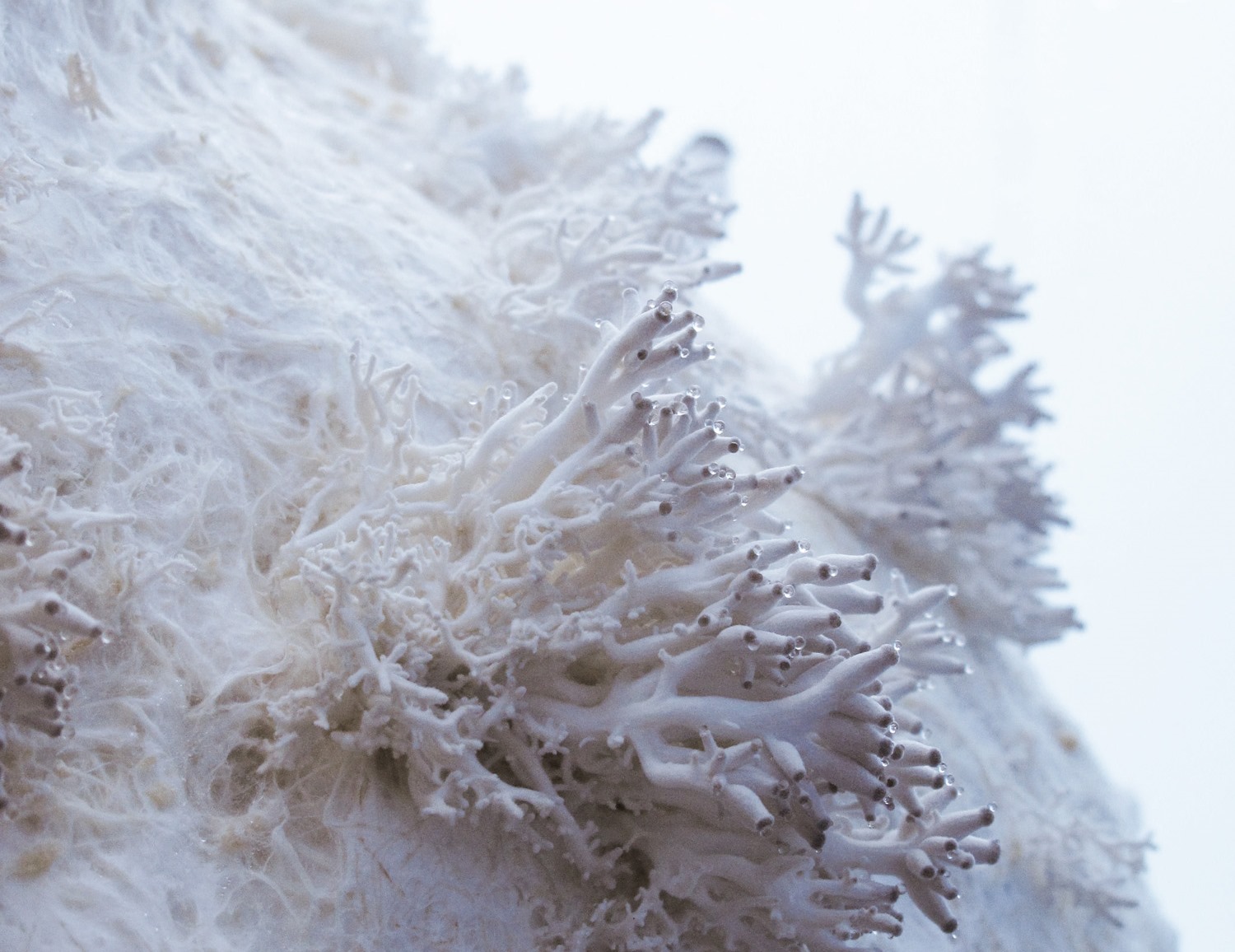
Now, researchers and startups are working on a solution that is both animal-friendly and, above all, environmentally friendly: leather made from mushrooms. It is not porcini, king oyster, or button mushrooms that are used in production, but rather the underground network of roots known as mycelium. Using sawdust as a growth medium , this leather-like material—also called muskin—is cultivated. The fungal tissue is then processed and tanned in a manner similar to real leather, but without the use of chemicals. For example, the kombucha mushroom has already been used to produce this imitation leather.
The material produced from this has properties similar to those of leather: it is said to be tear-resistant, breathable, durable, and water-repellent. The fabric can be produced with minimal effort and can be dyed or given patterns and textures. The only drawback so far: the smell. Otherwise, however, mushroom leather offers significant advantages: there is no need to slaughter animals or engage in resource-intensive livestock farming, and production is significantly more resource-efficient and environmentally friendly. In addition, the mushrooms provide the soil with important nutrients, and any waste can be disposed of biologically or composted.
[av_heading heading='Mushrooms Are Becoming Mainstream' tag='h3' style="" size="" subheading_active="" subheading_size='15' padding='10' color="" custom_font="" admin_preview_bg=""][/av_heading]
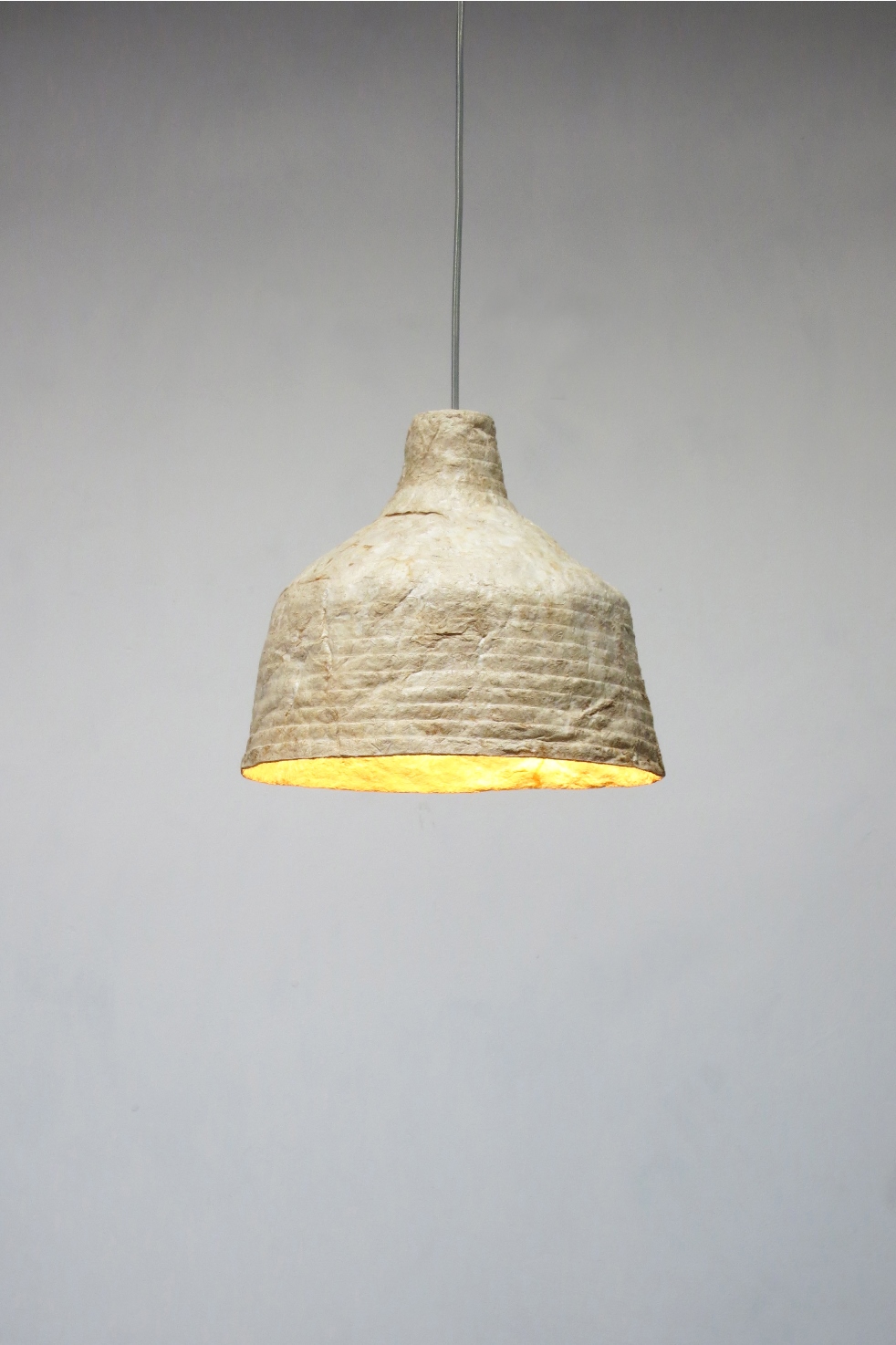
© www.jonasedvard.dk, Myx
By 2020, mushroom leather is expected to be ready for mass production; so far, only a select few startups and a handful of fabric wholesalers have been working with this exclusive material made from mycelium. But this is set to change in a few years: mushroom leather is expected to be used primarily in the fashion industry. It is also suitable as a building material or a substitute for wood or plastic. In the near future, we could therefore see furniture, houses, and vehicles—and even shoes and lamps—made from mushrooms.
Incidentally, Danish product designer Jonas Edvard put this idea into practice several years ago: as part of his “Myx” project, he grew lamps and other shapes out of mushrooms.
Fungus-based faux leather is not only a new alternative to animal leather and petroleum-based synthetic leather, but above all an ethically sound and sustainable one. Even though mass production is still in its infancy and the material is relatively expensive, this alternative deserves our attention.
[av_notification title=" color='custom' border=" custom_bg='#e2e8ca' custom_font='#444444' size='normal' icon_select='yes' icon='ue837' font='entypo-fontello' admin_preview_bg="]
Editorial article
[/av_notification]