
[av_heading heading='Have you ever heard of Ioane Teitiota?' tag='h3' style=" size=" subheading_active=" subheading_size='15' padding='10' color=" custom_font=" admin_preview_bg="][/av_heading]
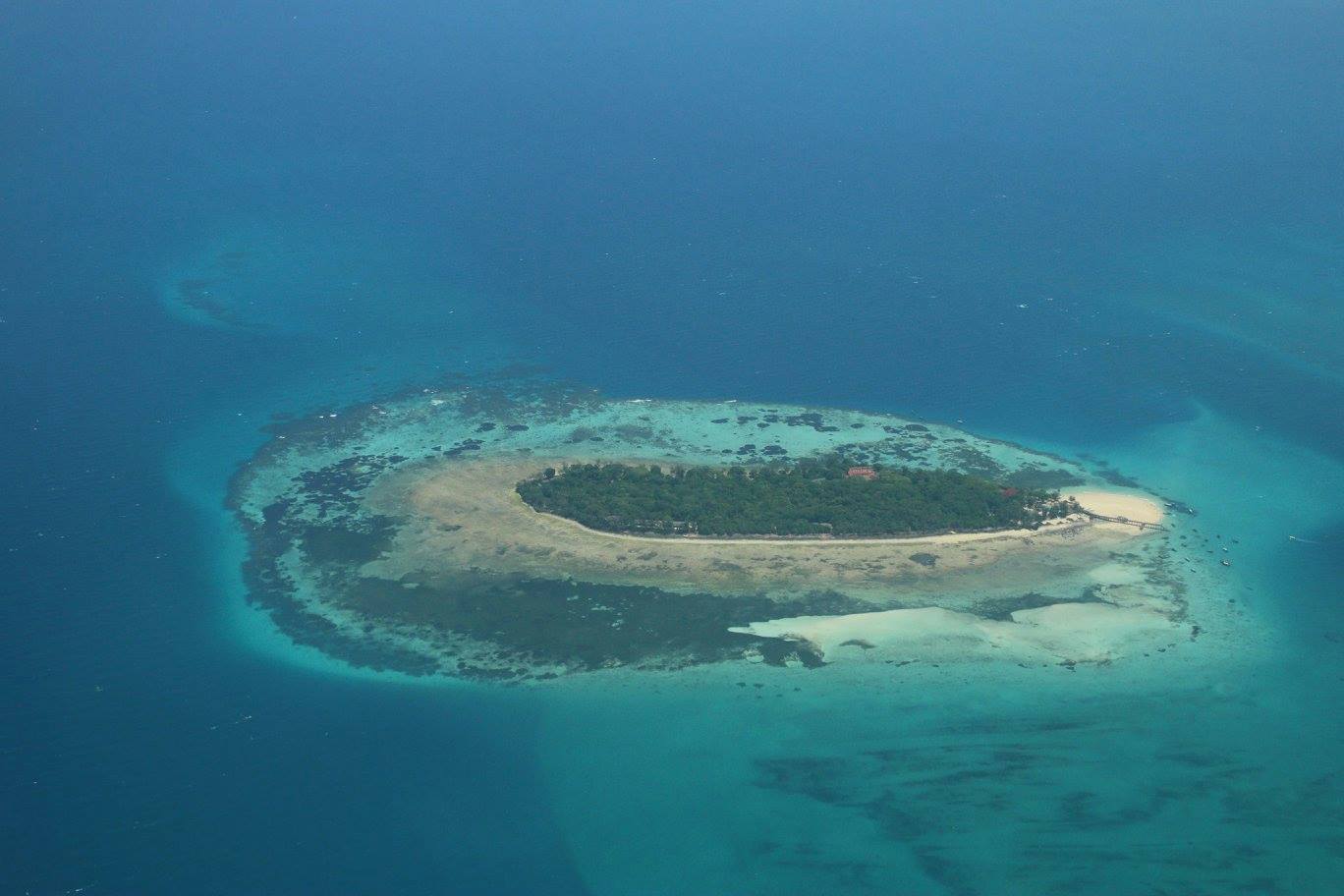
A man from Kiribati, an island nation in the South Pacific that is slowly sinking due to rising sea levels. A man who fought for years to be granted asylum in New Zealand. In 2013, his application was finally rejected. Because climate refugees have no rights whatsoever.
The 21st century could become an era of forced migration. Wars, natural disasters, and poverty have always driven people to flee, forcing them to leave their homes. However, if the forecasts of the International Organization for Migration (IOM) are to be believed, migration will increase dramatically due to a new factor, reaching unprecedented levels. Climate change could force 200 million people to migrate annually by the year 2050 (Source: EU Infothek).
According to data from the Norwegian Refugee Council and the International Displacement Monitoring Center, extreme weather events had already destroyed the homes of more than 19.3 million people in 2014. Every year, an average of 26.4 million people are already being displaced from their homes due to extreme weather—that is one person per second (source: Brot für die Welt). Estimates of 50 to as many as 350 million refugees by 2050 therefore seem realistic (source: FAZ).
[av_heading heading='Are Syrian refugees actually climate refugees?' tag='h3' style=" size=" subheading_active=" subheading_size='15' padding='10' color=" custom_font=" admin_preview_bg="][/av_heading]
Between 2006 and 2011, 60% of Syria’s land area was affected by one of the most severe droughts in modern history. Five years of lack of rain and poor water management led to crop failures for 75% of all farmers. They were forced to migrate to cities that were already unsafe and unstable. By the time the rain finally returned, it was already too late; uprisings and war ensued.
Since the 1970s, extreme weather events have become more frequent in Syria; scientists attribute this to climate change (Source: Global Risks Report 2014). 4.9 million people have fled Syria, making it the country with the largest number of refugees worldwide. In addition, 6.6 million Syrians have been displaced within their own country (Source: UN Refugee Agency).
[av_heading heading='The Crux of Climate Refugees' tag='h3' style="" size="" subheading_active="" subheading_size='15' padding='10' color="" custom_font="" admin_preview_bg=""][/av_heading]
While Syrians cannot be clearly defined as climate refugees, there are many people for whom this is beyond dispute—such as the family of Ioane Teitiota, mentioned above. The problem, however, is that despite everything, the sinking of his country is not grounds for asylum.
But why don’t climate refugees have any rights? Isn’t it understandable that people would want to escape hunger and survive?
The rights of refugees are enshrined in the 1951 Geneva Convention (Convention Relating to the Status of Refugees). Article 1 specifies which groups of people are entitled to asylum and are therefore considered Convention refugees. The following grounds for flight are recognized therein: persecution on account of race, religion, nationality, membership in a particular social group, or political opinion.
Migration caused by natural disasters and environmental changes is therefore completely left out! This is a situation that is completely outdated, considering that apparently more than 25 million people already have to leave their homes every year due to climate change. It is also unfair that the countries most affected by climate change are those that did not cause it themselves. The industrialized nations, with their high consumption of resources, are in fact the ones suffering the least from global climate change.
[av_heading heading='Sigeo Alesana—the first recognized climate refugee' tag='h3' style=" size=" subheading_active=" subheading_size='15' padding='10' color=" custom_font=" admin_preview_bg="][/av_heading]
But there is hope. In 2014, New Zealand granted a family from Tuvalu the right to stay, recognizing climate change as a threat. Like Kiribati, the Pacific island nation of Tuvalu is sinking into the sea.
While in 2013 Ioane Teitiota from Kiribati was told by Judge John Priestley, “Someone who seeks a better life by fleeing the perceived consequences of climate change is not a person (…) to whom the Convention applies,” a year later the family from Tuvalu was allowed to remain in New Zealand (Source: ORF).
[av_heading heading='Another ray of hope' tag='h3' style=" size=" subheading_active=" subheading_size='15' padding='10' color=" custom_font=" admin_preview_bg="][/av_heading]
In 2012, Switzerland, together with Norway, launched the Nansen Initiative, which aims to improve the protection of people who flee to other countries due to natural disasters. The Protection Agenda was finalized in October 2015 and is supported by 109 countries. It outlines measures such as disaster preparedness, adaptation to climate change, and humanitarian action (source: EDA.admin.ch). To ensure the implementation of these initiatives, a follow-up mechanism was established: the Platform on Disaster Displacement.
Protecting climate refugees is an important step, but an even more important one would be to get global warming under control so that people aren’t forced to flee in the first place. After all, as the song by John Howard Payne and Sir Henry Bishop so aptly puts it: “There’s no place like home”!
[av_notification title=" color='custom' border=" custom_bg='#e2e8ca' custom_font='#444444' size='normal' icon_select='yes' icon='ue837' font='entypo-fontello' admin_preview_bg="]
Editorial article
[/av_notification]