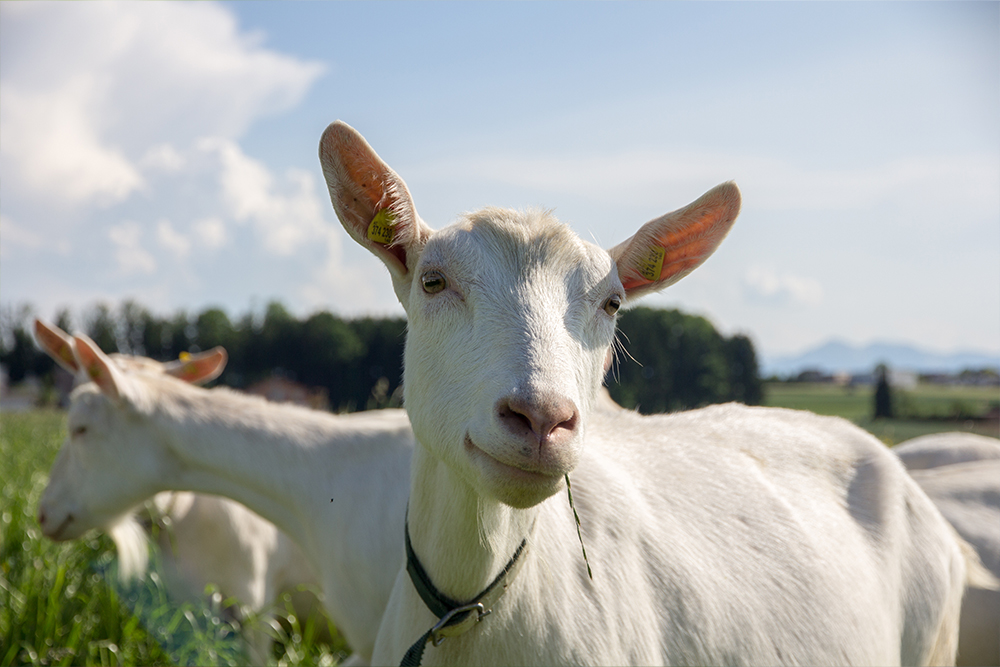
The type of farming accounts for about 70 percent of a product’s ecological footprint—transportation accounts for only about 10 percent. That’s why, at LAMPERT, authentic origin means more to us than just a label of origin.
It’s about agriculture tailored to local conditions, guided by natural factors such as soil and climate—vegetables in lowland areas, citrus fruits in sunny locations, and pastureland for grazing animals in cool, rainy regions. For us, this also includes regionally sourced feed, closed-loop systems, and local value creation. All of these elements form the foundation for resource-efficient, sustainable production.
We are convinced that authentic origins are the key to the highest product quality.

More than a third of the world’s land surface is farmland—making agriculture one of the most powerful tools for climate and biodiversity conservation. At LAMPERT, we actively harness this potential through soil organic matter enhancement, diverse land structures, and climate-resilient farming methods.
These are based on the LAMPERT sustainability criteria, which go beyond legal requirements and are continuously refined in collaboration with experts. For project partners, this means guidelines that are dynamic and keep pace with the latest research.

We are committed to ensuring that our products are completely free of genetic engineering—from seed to final product. Genetic engineering techniques, including new genetic engineering methods, merely treat symptoms rather than addressing the root causes. Patents on seeds or plants strengthen the market power of a few agribusiness corporations at the expense of farmers’ autonomy.
Instead, our approach focuses on high agricultural biodiversity and farmers’ control over their own seeds. Genetically modified organisms are therefore neither permitted nor detectable anywhere in the LAMPERT production chain—with a quantitative detection limit of ≤ 0.1%.

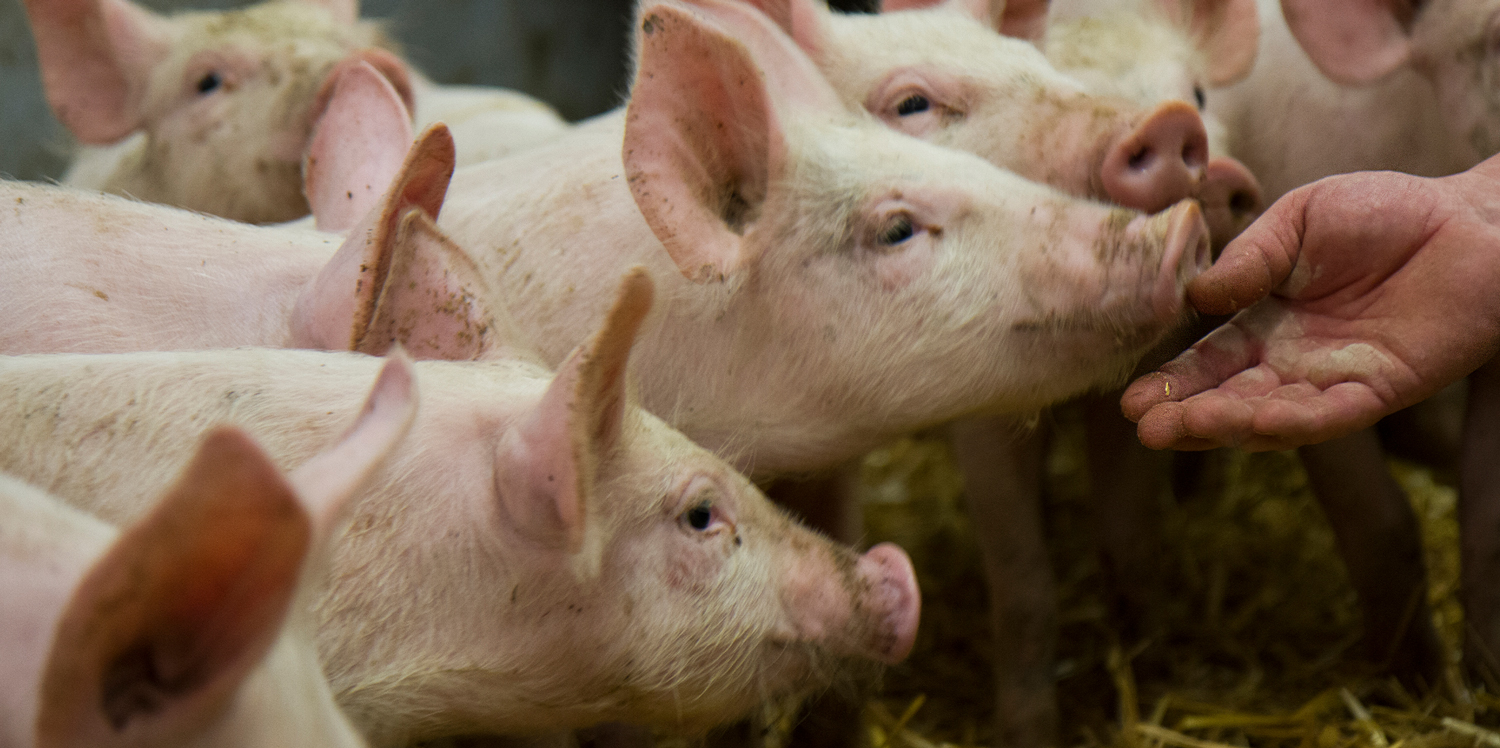
High-quality food can only come from healthy animals raised in a manner appropriate to their species. For us, animal welfare is therefore not an added bonus, but a fundamental requirement.
Physical well-being – freedom of movement, a species-appropriate diet, and regular veterinary care.
Mental and emotional well-being – a respectful, positive human-animal relationship as the foundation of healthy animal care.
Species-appropriate behavior —grazing, social interaction with other pigs, and an environment that supports natural behavior, such as materials for pigs to root in.
For us, quality is not a matter of taste—but of standards. The LAMPERT guidelines govern every stage of a product’s journey: from farming and processing to the finished end product, such as food or cosmetics.
The guiding principle here is consistent simplification: recipes and production processes rely as little as possible on additives and other ingredients, instead focusing on tried-and-true methods and gentle processing. What matters is the raw ingredient—in its most natural, highest-quality form.
The result: products that not only work but also impress—in terms of quality, purity, and effectiveness.

In agriculture and manufacturing, we believe that transparency, honesty, and authenticity are essential to quality and trust. Our proprietary LAMPERT database captures all relevant data throughout the entire value chain, ensuring complete traceability and quality control from primary production to the final product.
For business customers, this means reliable documentation, batch-specific traceability, and transparent supply chains. These factors provide a clear point of differentiation and a competitive advantage. For consumers: accessible product information online and publicly disclosed results of scientific sustainability assessments.
If you have nothing to hide, you show it.
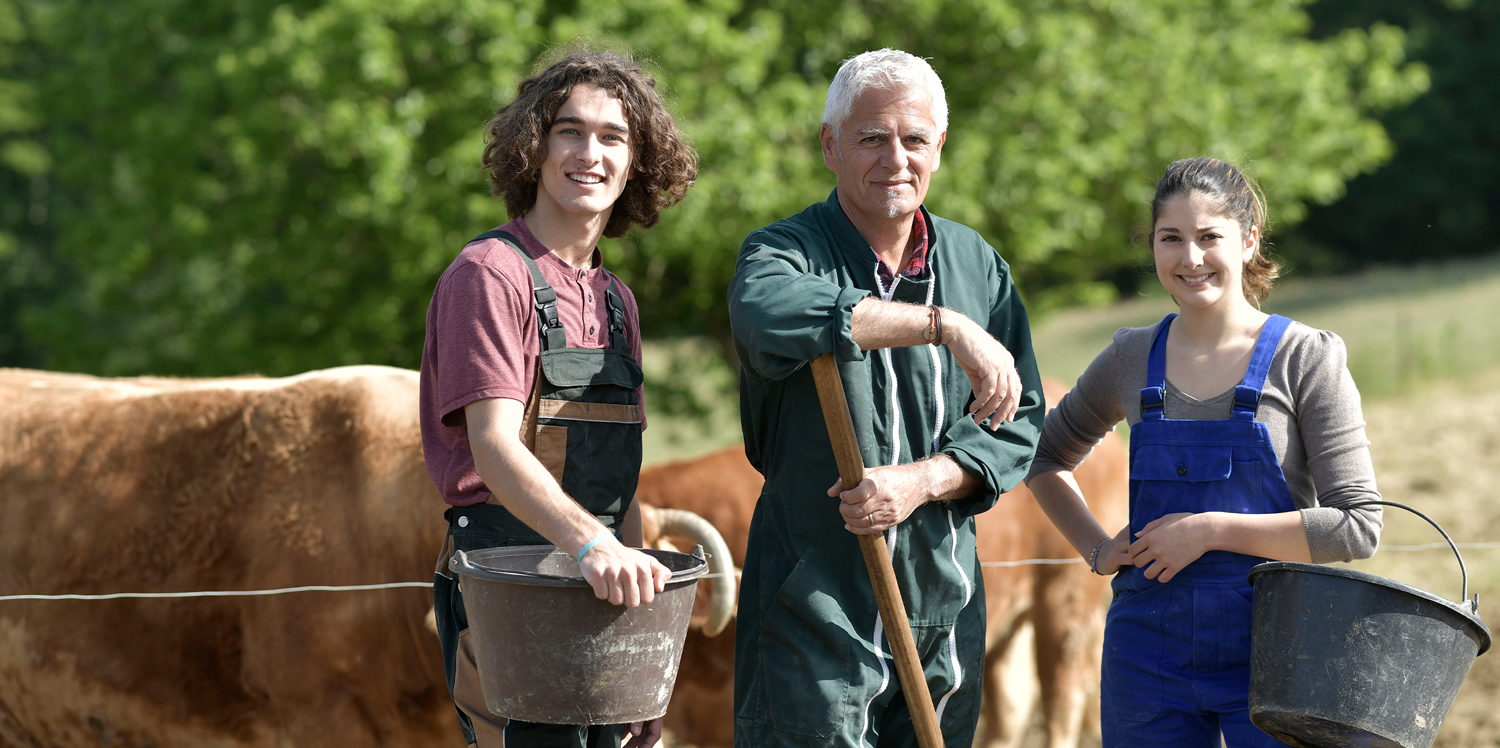
Farmers do more than just produce food and raw materials—they preserve cultural landscapes, support regional communities, and implement complex sustainability standards. These contributions deserve recognition—both in terms of their value and their economic impact—and a supportive environment that does them justice.
At LAMPERT, we therefore prioritize long-term partnerships over short-term supplier relationships—and fair compensation that reflects the actual costs of sustainable production. This makes value creation less dependent on global supply chain disruptions, fluctuations in raw material prices, and geopolitical crises, ensuring that our products remain affordable in the long term.
Trust must be earned. That is why we are committed to disclosing all relevant information: Every product is assessed for sustainability, and the results are published. No glossy presentation—just an honest assessment.
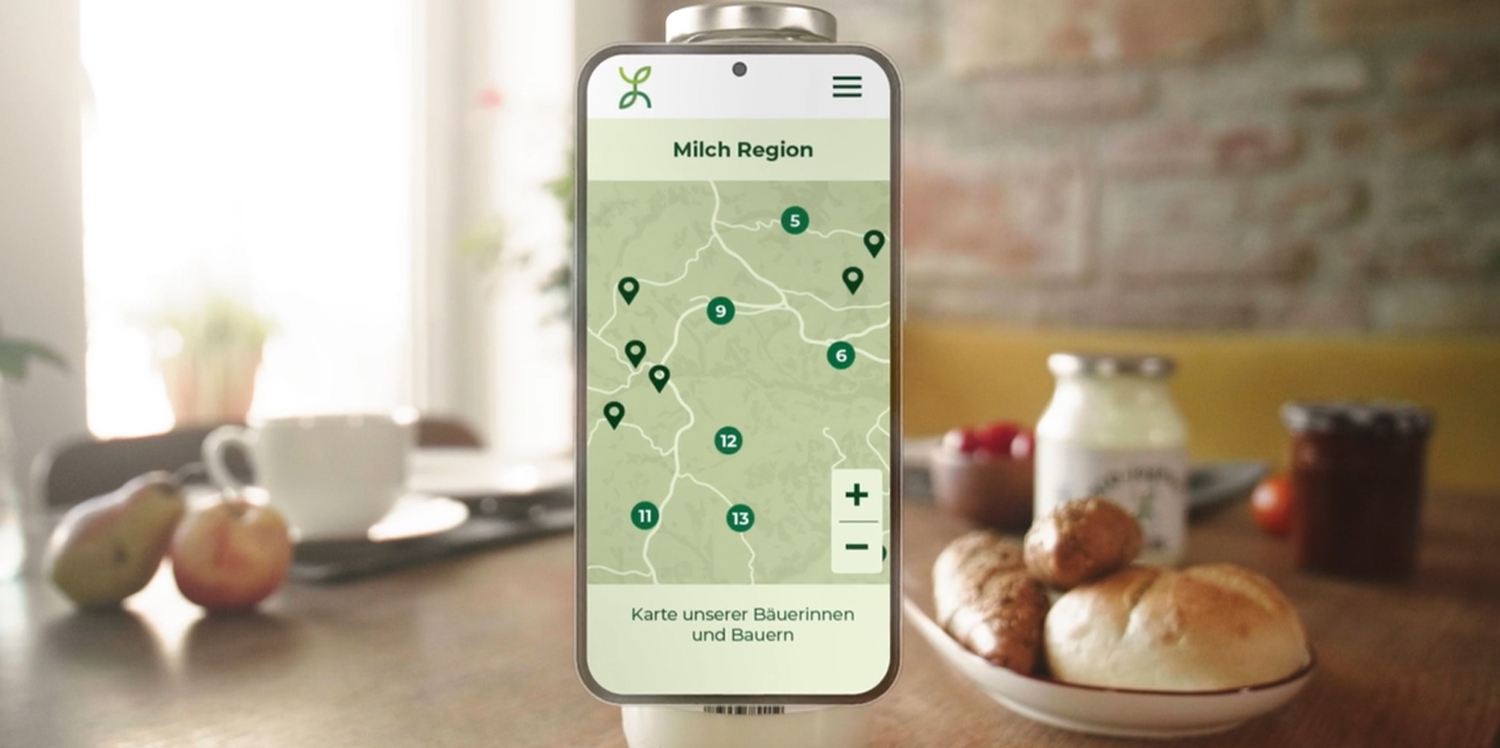
In addition, the LAMPERT database makes every supply chain fully traceable: Using a batch code or expiration date, consumers can check online which farmers from which regions supplied the raw materials—and where they were processed.














As a reliable business partner, we are also committed to the sustainability aspect of corporate governance. Working together as a team, we have developed a shared vision and defined the nature of our collaboration.
Our vision for long-term success:
We bring our partners on board and take them on a journey with us. This allows them to truly understand our philosophy and help shape it.