The feasting at Easter was just one of many highlights throughout the year: each year, the average Austrian consumes 115 kilograms of vegetables, 109 kilograms of fruit, and about 110 kilograms of meat. In contrast, approximately 760,000 tons of food are thrown away in Austria. New dietary approaches are intended to help foster a more mindful approach to food.
To date, a great deal of food ends up in the trash—in Austria, this amounts to around 760,000 tons per year—half of which is disposed of unnecessarily and could therefore be avoided. When waste from agriculture, food production, and wholesale is included, this figure increases many times over. This is the conclusion reached in the latest status report from the Austrian Ecology Institute, commissioned by the WWF and Mutter Erde. It is therefore not without reason that the abolition of best-before dates on food products is being discussed not only in Germany but also in Austria.
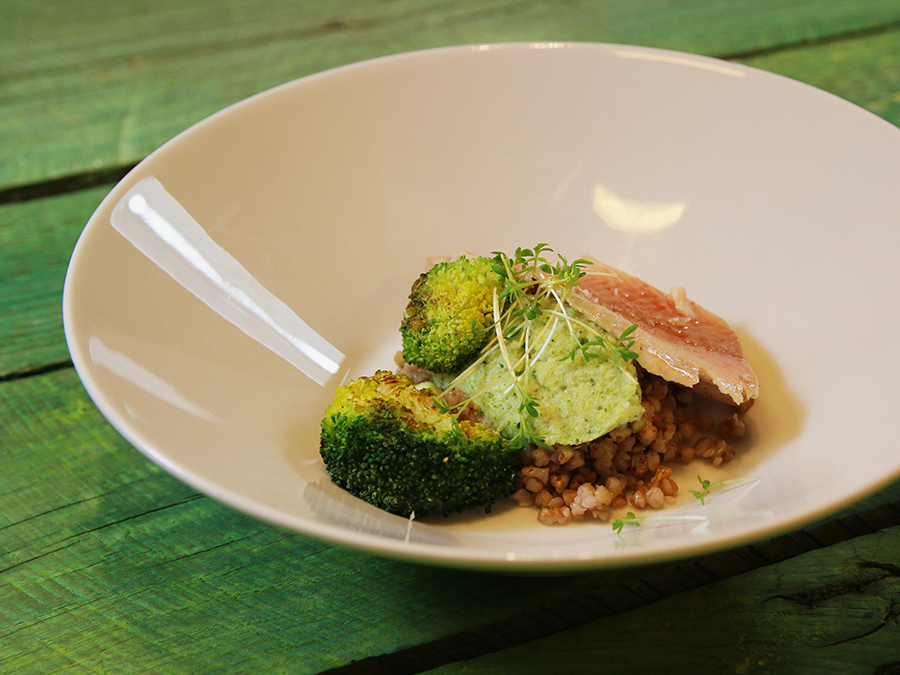
Another approach to combating waste is to use this valuable resource mindfully. Clean eating promises a completely new way of approaching food: industrially processed foods and products containing more than five different ingredients, as well as refined sugar, white flour, and fast food, are largely eliminated from the diet or avoided entirely. Cooking at home, with plenty of fruit, fresh vegetables, and the like, is the motto for clean eaters. Fish and meat are also allowed—the goal is a balanced, as clean as possible mixed diet.
The concept behind Clean Eating, which is based on the ideas of American nutritionist Tosca Reno, is deliberately not a diet, but rather a nutritional approach. Rather, Clean Eating is a step back toward nature—back to the origins of food, so to speak, and toward authenticity and naturalness. As an old saying goes: “What the farmer doesn’t know, he doesn’t eat.” In this context, that means: Don’t eat anything that wasn’t available as food in Grandma’s day. A mindful approach to food and the daily preparation of meals can minimize food waste.
The first signs of this dietary trend are also becoming apparent in Austria: new foods—so-called local “superfoods” such as pumpkin, spinach, cabbage, and blueberries —are more popular than ever and are now widely available. Many of them are naturally rich in vitamins and minerals. They are considered superfoods because they are particularly nutrient-dense and have a positive effect on health.
[av_gallery ids='4144,4145' style='thumbnails' preview_size='portfolio' crop_big_preview_thumbnail='avia-gallery-big-crop-thumb' thumb_size='portfolio' columns='2' imagelink='lightbox' lazyload='avia_lazyload' admin_preview_bg="]
Another food trend that also has its roots in the U.S. is craft food —a culinary concept that incorporates local and handmade foods. The food is prepared using regional ingredients and then sold locally. Beyond sustainability and regionality, a creative approach to food and independent food production are also key aspects of craft food. This is why it’s called “craft.” In Austria and Germany, craft food is primarily associated with beer production—specifically, craft beers.
Whether it’s clean eating, superfoods, or craft food—all these movements and trends have one thing in common: they encourage a mindful approach to the valuable resource that is “food.” Soulless mass-produced or industrial products should be avoided and replaced with homemade alternatives.
Even though these ideas may remind us of our grandmothers’ days, there are many valuable insights to be gained from them. And if we can manage to handle our food in a mindful and sustainable way, the debate over whether to eliminate best-by dates will become irrelevant.
[av_promobox button='no' label='Click me' link='manually,http://' link_target="" color='theme-color' custom_bg='#444444' custom_font='#ffffff’ size=’large’ icon_select=’no’ icon=’ue800’ font=’entypo-fontello’ box_color=“ box_custom_font=’#ffffff’ box_custom_bg=’#444444’ box_custom_border=’#333333’ admin_preview_bg=“]
Source for consumption figures
2010 Food Report for Austria, based on figures from: AMA Marketing, Statistics Austria, Forum for Natural Mineral Water[/av_promobox]
[av_notification title=" color='custom' border=" custom_bg='#e2e8ca' custom_font='#444444' size='normal' icon_select='yes' icon='ue837' font='entypo-fontello' admin_preview_bg="]
Editorial article
[/av_notification]