
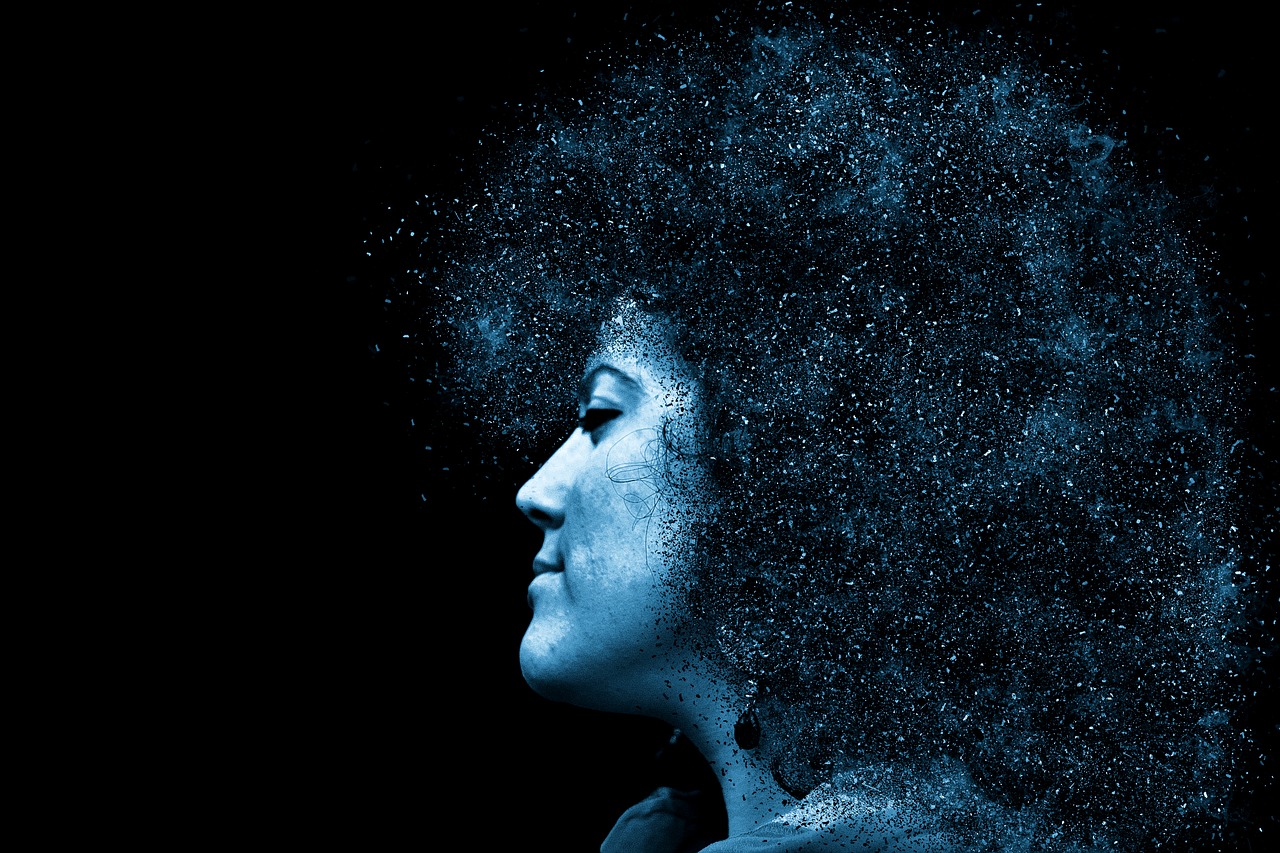
Available without limits. Unlimited in its applications. Completely free. And yet we make so little use of it. The potential of our imagination often lies untapped.
Numbed by digital distractions, convenience, or social pressures, we let our unimaginative daily routine run its course—with (seemingly) no alternative. Every day, we greet Groundhog Day and repeat “more of the same.”
If we truly want to bring about fundamental change, we need fresh, bold visions and ideas, and a broad-minded approach. We need the ability to even better solutions in our minds in a matter of seconds, with sharp attention to detail. In short: a highly trained imagination muscle. And to make this easier for us, there’s now a 5-step training program to help.
Let's make training easy and start at our own personal Ground Zero. We'll choose uninspiring place of our choice. Loud, noisy, unpleasant, or just plain boring. One of those places where you just want to get out of there as fast as possible and would never voluntarily stay any longer. Often, as an added bonus, such places are characterized by what the artist Joseph Beuys calls“social coldness.”Not infrequently, these places have a lot to do with concrete, asphalt, and traffic. The people you meet here look tired and stressed.
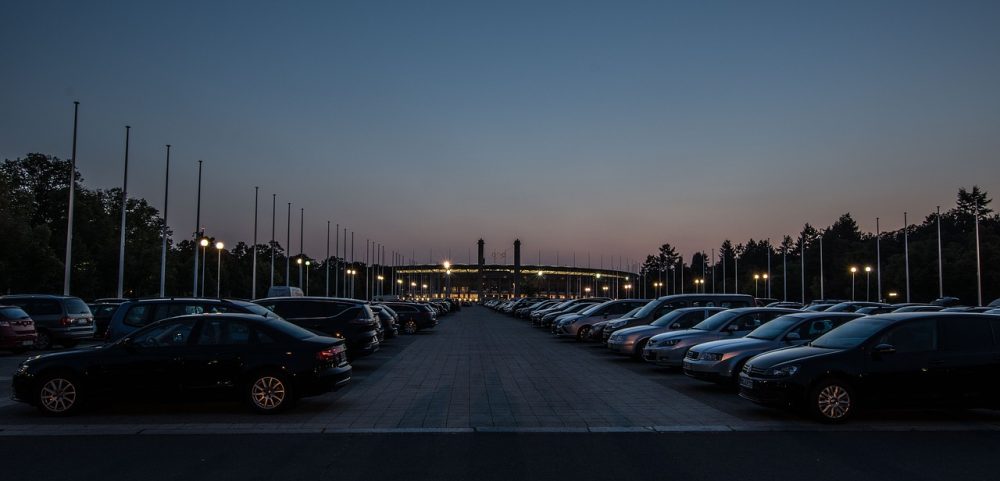
Many places may soon lose their original purpose. As we start to spend less time on the go—thanks to innovations like the 30-hour workweek, working from home, teleconferencing, and so on—and scale back our excessive consumption, new opportunities will emerge. Not only in terms of time, but also in terms of space: for example, in the form of parking lots, transportation hubs, or commercial spaces that are no longer needed.
In many places, then, we will have to start thinking about what comes next. What will become of parking lots and underground garages in cities once they become car-free? Or of gas stations? Not to mention refineries, airports, or the world’s major commercial ports?
Now imagine specifically what else your chosen training location could be. What would truly benefit people and the environment here? What gap or need could this space fill? What would put a smile on children’s faces or spark their spirit of discovery? What could attract both young and old? What would nature appreciate here?
As a society, we have lost much of our understanding of the natural world. Who can tell whether a patch of forest you’re strolling through is healthy? Let alone the ground beneath your feet? Who knows what a truly biodiverse meadow looks like? Or which fruits from shrubs and trees our birds enjoy?
But we don’t need to be trained biologists to imagine a more vibrant world. We’ll leave the fine-tuning to the experts. We just need to relearn how to keep vitality in mind as a fundamental principle, always and everywhere.
How could your training area be transformed back into a habitat? Where might animals or plants thrive here? What would it take? More trees? Green facades? A pond? The “Green Instead of Gray” initiative, among others, offers inspiration for this.
So now we have a sense of what this training space could become in the future (e.g., a social gathering place, a marketplace, a thriving oasis of calm… whatever) and what makes it feel more “alive.” Let’s now experience this place with all our senses. Go through each sense and think about what’s still missing. Does the place already smell the way it could? Does it look the way you’d like it to? If you listen closely, what can you hear? Are there any sounds missing? Are there enough birds chirping? Would it be nice if crickets were chirping too? Where would there be room for a flower meadow that fulfills this wish? How does the environment feel? What materials do you see? Is it a place where you’d like to sit and linger? And what else do you need to imagine so that all your senses give you the green light?
If you think your space is already perfect, I assure you: there’s still room for improvement. With this final step, we want to really put our imagination through its paces:
In five years, you’ll be standing at the edge of your training ground. I’ll stand beside you. We’ll let our eyes wander over the scene, taking in the colors, shapes, and impressions. And then I’ll ask you one last daring question: What if absolutely ANYTHING were possible?
Suppose you could set aside world politics, our laws, conventional social norms, and the here and now. Isn’t there still an idea slumbering in your mind that you hardly dare to imagine? One that you dismiss as impossible, utopian, or crazy, but secretly find incredibly fascinating? Incorporate exactly that idea—that final touch—into your imaginary training ground.
Of course, it would be great to see the fireworks of synaptic activity that this workout has set off in the brain. Luckily, our hypothalamus doesn’t get sore muscles. But hopefully it’s a little worn out. And maybe it’s grown a bit.
Keep looking for new places to train: whether it’s industrial parks, train stations, deserted city centers, or abandoned industrial sites. There are hardly any places that won’t be more beautiful, quieter, more vibrant, livelier, or more inviting in the future.
Regular exercise carries no risks or side effects. And it’s even more fun in a group (which, of course, was also tested in a personal experiment). With regular practice, this experiment may well highly desirable social consequences.
We might even manage to replace old, visionless mantras—such as the former German chancellor’s oft-repeated quote, “Anyone who has visions should see a doctor”—with something more constructive and forward-looking. For example: “Visions are the stuff the future is made of.” Or, in the words of Rob Hopkins :
(Rob Hokins)