Human rights and access to decent work and essential services such as housing, energy, transportation, education, and healthcare are essential to a good life. These rights are often violated. There’s the cell phone or textile company that disregards human rights. There’s the organic food retailer that underpay its staff; and the “burned-out” employee next to the “bored-out” colleague. There’s the well-equipped private clinic next to the overburdened public hospital…
In 2011, the UN Human Rights Council adopted guidelines on business and human rights. This is because globally active companies enjoy access to markets and resources without, for example, adequately protecting the rights of local fishermen and fisherwomen. States are now obligated under international law to prevent and punish human rights violations committed by transnational corporations. However, governments must take this responsibility far more seriously. Countries must also be able to build their own industries rather than being driven out of business by competition from subsidized goods in global trade.
[av_heading heading='Distribution of Work and Income' tag='h3' style=" size=" subheading_active=" subheading_size='15' padding='10' color=" custom_font=" admin_preview_bg="][/av_heading]
A good life for everyone requires redistribution. Many people would prefer to work fewer hours rather than constantly working overtime, while others would like to work more. The latter applies primarily to women. This is one of the findings of sociology professor Jutta Allmendinger. She concludes: “32 hours is enough.” Wage compensation for a reduction in working hours can be financed by passing on rising labor productivity to wages. There is significant scope for redistribution here.
Competition tokeep wages and taxes as low as possible, as seen in the EU, has ledto an erosion of wages and government revenue. The result is precarious employment conditions and public poverty. Wages and taxes must be coordinated internationally, for example through minimum wages. We can also look to Switzerland with great interest. A referendum on the 1:12 initiative is scheduled there this fall: Under this initiative, the highest-paid employees in a company may not earn more than 12 times the salary of the lowest-paid employees . This prevents the extra earnings of some from coming at the expense of others.
[av_heading heading='Public spending cuts hit the poor hardest' tag='h3' style=" size=" subheading_active=" subheading_size='15' padding='10' color=" custom_font=" admin_preview_bg="][/av_heading]
It is primarily poorer people who bear the brunt of public austerity and privatization policies. This is because they cannot afford expensive private schools or comprehensive private health care. Those who postpone, neglect, or exacerbate poverty issues are living at the expense of current and future generations.
Rather, the key is to finance public services in a socially responsible manner.
[av_heading heading='Shaping a Social Ecology' tag='h3' style=" size=" subheading_active=" subheading_size='15' padding='10' color=" custom_font=" admin_preview_bg="][/av_heading]
Energy and resource consumption among lower-income households is generally relatively low. However, access to energy-efficient appliances or rail service is often a matter of financial means. Therefore, the “railway of the future” must be accessible, safe, attractive, and affordable for all citizens. This includes ensuring good connectivity even in sparsely populated rural areas, regardless of whether this is economically viable.
Social sustainability is a journey that may never truly end. It is therefore our responsibility to remain committed to it. This includes establishing key framework conditions such as legal certainty in the form of collective property rights for community-owned assets and democracy. Citizen participation must not mean that it is primarily better-off people who get involved, thereby deepening social inequality. A proven model is community organizing, which emerged in the labor movement in Chicago in the 1930s. At its core are professional organizers who actively engage in one-on-one conversations while simultaneously identifying best practices—best policies—in other communities.
[av_notification title=" color='silver' border=" custom_bg='#444444' custom_font='#ffffff' size='normal' icon_select='yes' icon='ue837' font='entypo-fontello' admin_preview_bg="]
Post by Suleika Reiners & Jakob von Uexküll
[/av_notification]
[av_promobox button='no' label='Click me' link='manually,http://' link_target="" color='theme-color' custom_bg='#444444' custom_font='#ffffff’ size=’large’ icon_select=’no’ icon=’ue800’ font=’entypo-fontello’ box_color=“ box_custom_font=’#ffffff’ box_custom_bg=’#444444’ box_custom_border=’#333333’ admin_preview_bg=“]
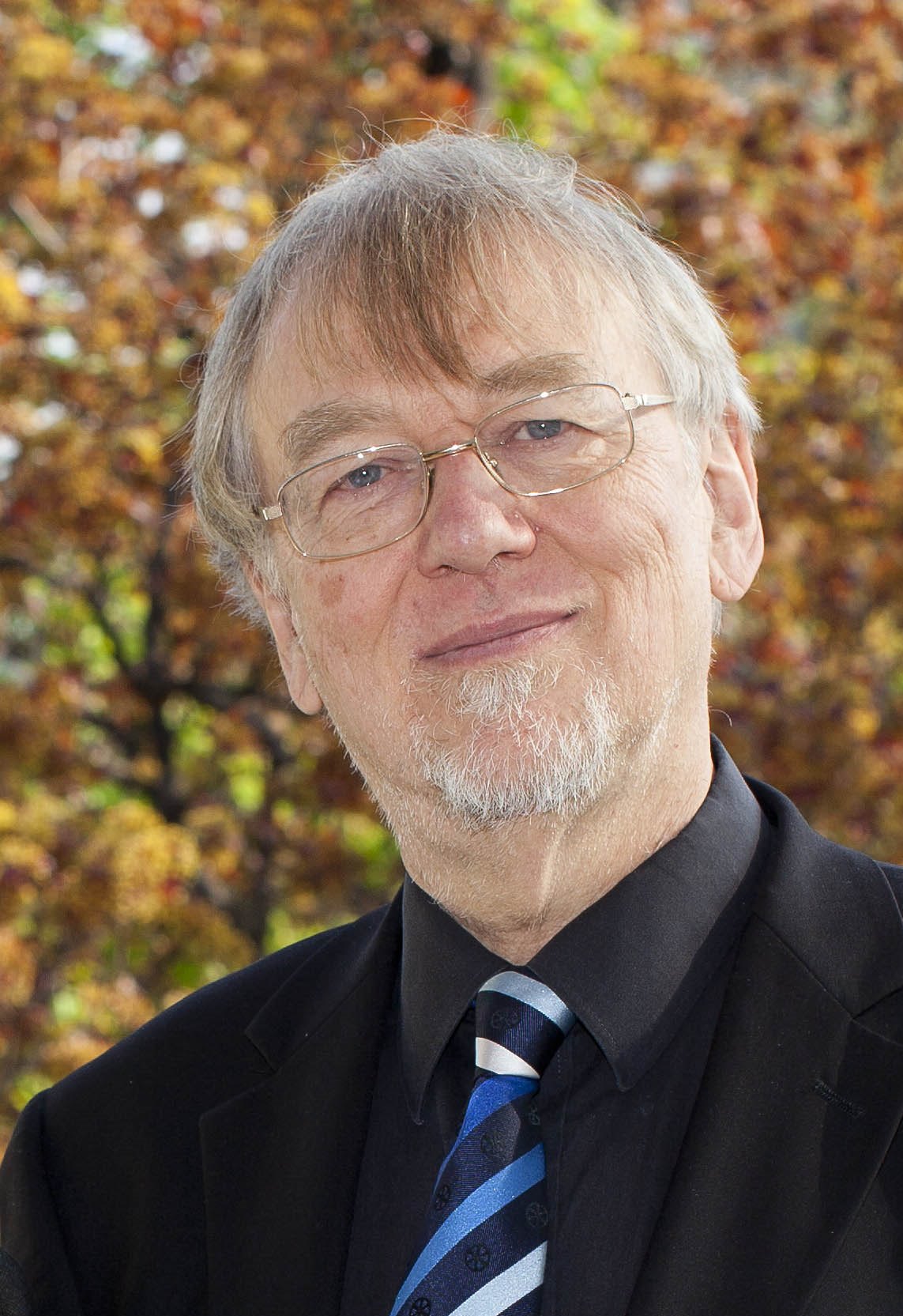
About the Author Jakob von Uexküll
Jakob von Uexküll is the founder of the World Future Council (2007) and the Right Livelihood Award (1980), also known as the “Alternative Nobel Prize.” In addition, he was a co-founder of The Other Economic Summit (TOES). He served as a Member of the European Parliament (1987–89), sat on the supervisory board of Greenpeace Germany, and served as an advisor to Transparency International. He is a patron of Friends of the Earth International and gives lectures worldwide on the topics of the environment, justice, economics, and peace.
World Future Council
[/av_promobox]