
Our worldview is characterized by paradoxes. These paradoxes hinder the urgently needed cultural revolution toward a sustainable way of life. We live in a world of global and regional interdependencies unprecedented in history.
Social theories, particularly those in economics with roots in the 18th century, are based on the concept of the individual, who is also conceived of as a self-interested egoist.
The tension between this reality of global interconnectedness—now involving 7.5 billion people—and this individualistic self-image could not be greater.
The fact that we live in an incredibly dense web of social and natural connections also means that we are dependent on others to an extent never seen before. In a kind of timelessness, we also tend to overlook the fact that our social life owes its existence not only to the present but to many generations before us. This sense of indebtedness across time also gives rise to the obligation to nurture and pass on the culture we have inherited and the natural world we have received —to future generations.
This entails a social obligation to solidarity and justice, both of which are, at best, a kind of byproduct—if not outright nonsense—in mainstream economic theories. Environmental damage, particularly climate change, affects the poorest 20% of the world’s population the most. The sustainability debate is therefore no longer just about future generations, but also about the current generation in other parts of the world. It is the socially disadvantaged living in the Global South who consume pitifully little and who are hit hardest by the ecological damage caused by the consumption of others. This is a glaring injustice that, moreover, threatens peace.
[av_heading heading='The third, and arguably the strangest, paradox.' tag='h3' style=" size=" subheading_active=" subheading_size='15' padding='10' color=" custom_font=" admin_preview_bg="][/av_heading]
Common theories—and, increasingly, our worldview as well—tend to overlook finitude, both in nature and in our own lives.
Nature comes from *nasci*, which means “to be born.” Birth is inseparable from decay. Nature is always subject to the condition of finitude. It is likely the modern prioritization of the mechanical—the technologically induced dream of a perpetual motion machine that spins on endlessly—that leads to this loss of the presence of essential realities. The illusion of infinity, however, seems to devalue what is actually there. The throwaway culture becomes an expression of an abundance that is no longer experienced as liberating. Therein lies the tragedy, since what is lacking elsewhere and what destroys nature is no longer experienced as a good.
Coming to terms with our mortality—whether through philosophical or spiritual means—the willingness to view the earth’s resources as sustenance for all, and the recognition of our interdependence form the foundation for transforming a global system that today brings only a modicum of happiness to a few while leaving a trail of destruction in its wake.
A culture of sustainability means recognizing and cherishing the value of what we have.
We live in a highly interdependent world. Never before have we been so globally connected in all areas of life as we are today. The media networks, undersea cables, and satellite connections spanning the entire globe are the technical manifestation of this. What has remained provincial is our thinking and our actions. Indeed, more than that, it is governed by the principle of individual, progressive utility maximization.
The paradox that arises from this is that global interdependencies require us to recognize Planet Earth as the single home of humankind as Homo sapiens. An individualistic approach is valid here only to the extent that it is guided by a sense of responsibility for the whole.
[av_promobox button='no' label='Click me' link='manually,http://' link_target="" color='theme-color' custom_bg='#444444' custom_font='#ffffff’ size=’large’ icon_select=’no’ icon=’ue800’ font=’entypo-fontello’ box_color=“ box_custom_font=’#ffffff’ box_custom_bg=’#444444’ box_custom_border=’#333333’ admin_preview_bg=“]
 About the Author
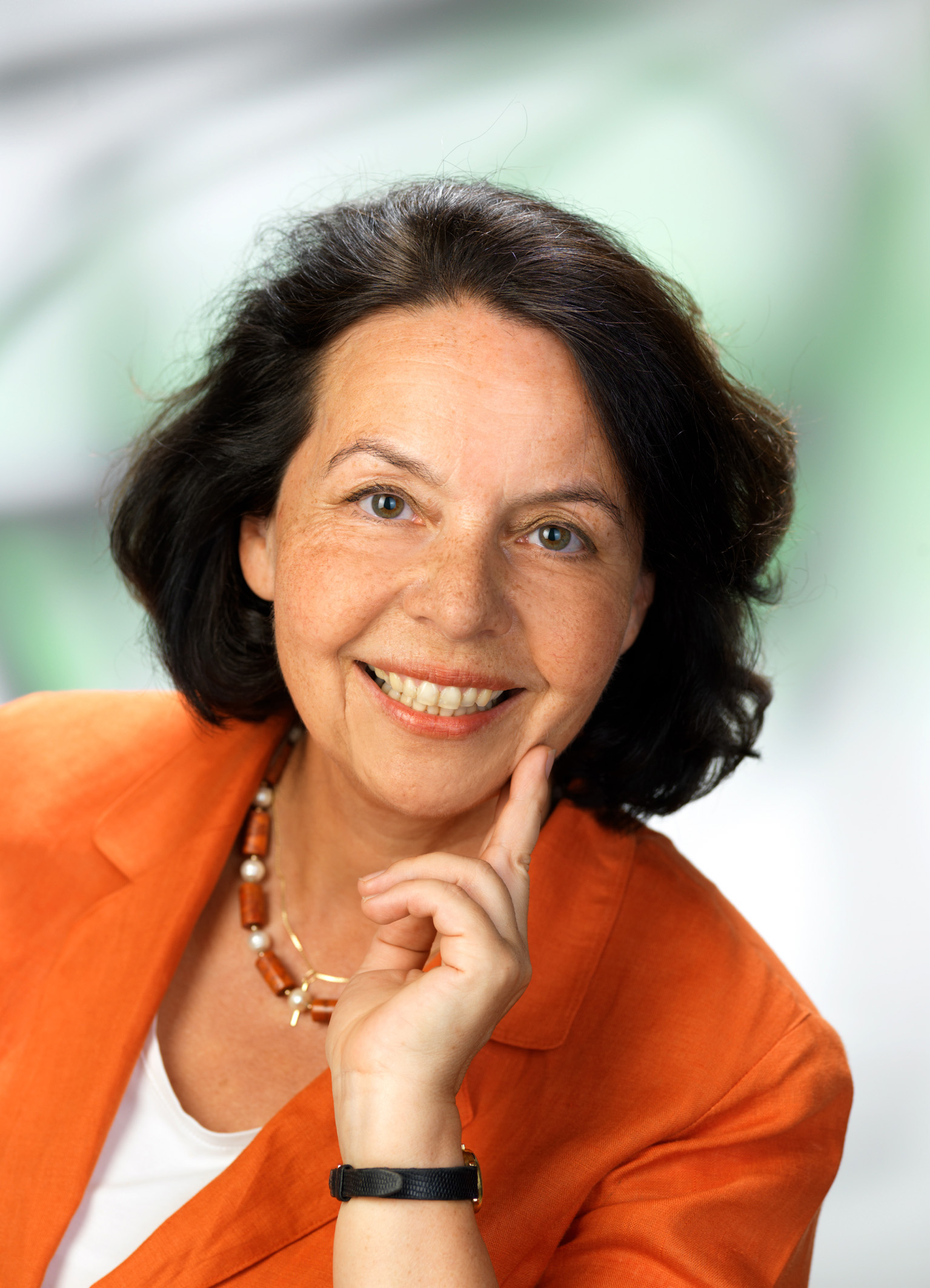
Ingeborg Gabriel, born in 1952, is a Roman Catholic theologian and economist. Since 1997, Gabriel has been a university professor of Christian social teaching and social ethics at the Faculty of Catholic Theology at the University of Vienna. She is also the director of the Austrian Commission for Justice and Peace. In 2015, Gabriel advocated for a fundamental reform of the economic system.
[/av_promobox]