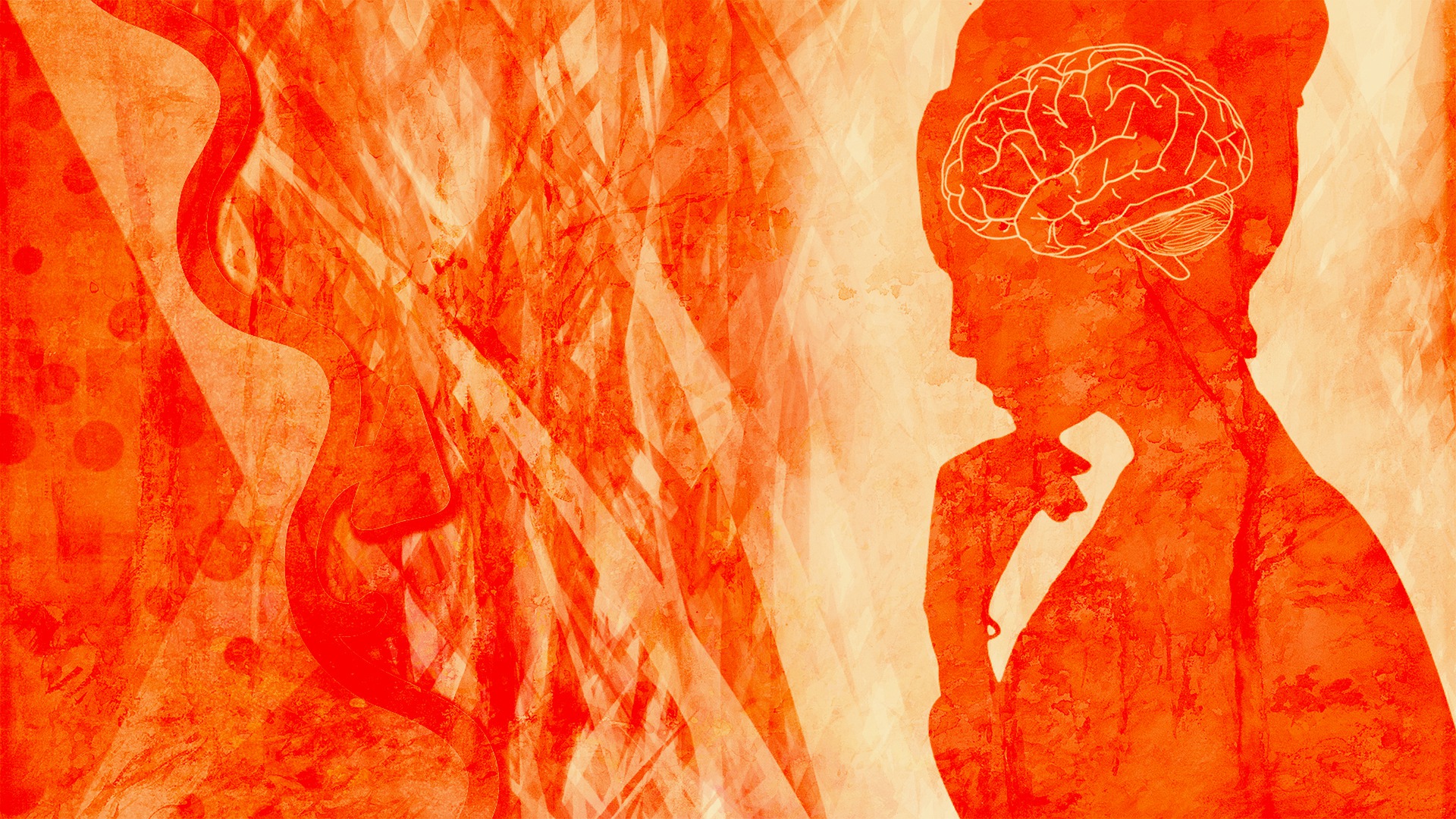
Diversity is vital. Science, the arts, and the media are working to preserve and protect it—not only within their own fields, but also, increasingly, in collaboration with one another. This development holds the promise of a new era of diversity that breaks down old barriers.
The concept of “encounter” has taken on a new meaning. While advancing globalization seemed to be bringing us ever closer together economically, politically, and culturally, the pandemic appears to be driving us apart. But appearances can be deceiving. Although we’ve had to physically distance ourselves from one another, we’ve actually grown closer in many ways. New connections between science, society, and the arts are creating opportunities for lasting inspiration and greater diversity.
[av_heading heading='Closer than ever' tag='h3' style=" size=" subheading_active=" subheading_size='15' padding='10' color=" custom_font=" admin_preview_bg="][/av_heading]
Never before have science and society been so closely intertwined as during the pandemic. While this is due to tragic circumstances, it also presents unique opportunities for a better future. Prof. Ulrike Felt, a science studies scholar at the University of Vienna, describes this period of unprecedented changes and expectations between science and society as a “great lesson.” As Prof. Felt explains in her interview, many scientists are now seizing the opportunity to educate the public about serious scientific work and sources. In doing so, they are often breaking new ground.
Science provides facts, and science communication explains them. Chemist and journalist Dr. Mai Thi Nguyen-Kim has gained recognition for her award-winning YouTube videos, which get straight to the point with these facts. In an interview with *Der Standard*, she also speaks of an “infodemic,” explaining that “fake news spreads much like a virus.” On her YouTube channel “Mai Lab,” she not only addresses questions about the pandemic but also delves into critical, entertaining, and trending topics such as the effectiveness of yoga. Her videos are rarely longer than twenty minutes, are scientifically well-researched, and are entertaining. In this way, she reaches millions of people and inspires countless others. The question remains: is this infotainment also sustainable?
[av_heading heading='Ökotainment' tag='h3' style="" size="" subheading_active="" subheading_size='15' padding='10' color="" custom_font="" admin_preview_bg=""][/av_heading]
Infotainment refers to the entertaining presentation of information. The term was coined as early as 1985 by media critic Neil Postman, who critically examined the increasingly emotional and sensationalist presentation of information on television. At that time, hardly anyone could have imagined the transformation our communication was about to undergo. With the rise of smartphones and social media platforms like Facebook around 2007, we communicate more frequently and more quickly than ever before. Unless you’re taking a digital break, you’re more likely to respond to images than to text.
The emotional power of images is also what drives the success of Instagram, YouTube, and TikTok. These platforms are no longer merely a source of the superficial entertainment that Postman criticized in the 1980s. What marketing professionals have long been leveraging for their own purposes is also becoming increasingly important for communicating sustainability. “Ecotainment” is the term used to describe emotional messages that promote or address sustainable consumption. There are virtually no limits to creativity—and that creates boundless opportunities.
[av_heading heading='Ocean Plastic Danced' tag='h3' style="" size="" subheading_active="" subheading_size='15' padding='10' color="" custom_font="" admin_preview_bg=""][/av_heading]
Oceans, sunbeams, and plastic. Biologist Julienne Fanon explored this interplay in her doctoral thesis—and translated it into a moving choreography. In this year’s “Dance your PhD” competition, her project and four other art projects by scientists from other categories were honored. In the social sciences category, the winner was Magdalena Dorner-Pau from the University of Graz. She researched how performative teaching influences children’s expressive abilities.
This shift in science communication creates opportunities for society as a whole. The growing diversity of media being used not only makes science more accessible to a broad audience, but also inspires new perspectives and strong partnerships. To achieve the global sustainability goals, we must promote not only biodiversity in the landscape, but also greater diversity of viewpoints within society. The current shift is promising.
[av_heading heading='Creative and Productive' tag='h3' style="" size="" subheading_active="" subheading_size='15' padding='10' color="" custom_font="" admin_preview_bg=""][/av_heading]
Creativity and productivity are essentially one and the same. This view, held by Hermann Erlach, Head of Digital Transformation at Microsoft, is being embraced by an increasing number of companies. They are making a concerted effort to promote diversity, inclusion, and equality. What is profitable from a business perspective is also more sustainable from a societal perspective. We need more diverse perspectives to develop solutions for global challenges such as species extinction and global warming. The pandemic has taught us that, too.
A new era of diversity has dawned. While the lack of diversity in science and the underrepresentation of women in business, politics, and the media are becoming increasingly apparent, numerous developments are already giving us reason to look to the future with optimism. In Austria, scientists with artfully executed research, as well as museums and libraries bearing the Austrian Ecolabel, are earning more than just an award. They are building bridges that enable strong partnerships across diverse levels, thereby setting milestones for sustainability. This new diversity in our communication creates boundless opportunities for encounters that can lead us out of crises and into a more sustainable future.
[av_promobox button='no' label='Click me' link='manually,http://' link_target="" color='theme-color' custom_bg='#444444' custom_font='#ffffff’ size=’large’ icon_select=’no’ icon=’ue800’ font=’entypo-fontello’ box_color=“ box_custom_font=’#ffffff’ box_custom_bg=’#444444’ box_custom_border=’#333333’ admin_preview_bg=“] About the Author
Dr. Bea Maas is an expert in nature conservation and sustainability. As an ecologist, she researches and develops management strategies for endangered species and sustainable agriculture. As a journalist, she communicates these topics to a wide audience. She serves as the press spokesperson for the Association of Nature Conservation Dogs, as well as an editor and lecturer at the University of Vienna (www.beamaas.com).
[/av_promobox]