From climate change and global migration to the erosion of liberal democracies and institutions in the West: many signs point in a troubling direction. But the future is not set in stone. To shape it, we need both a sober and skeptical perspective and the passion and conviction that we can make a difference.
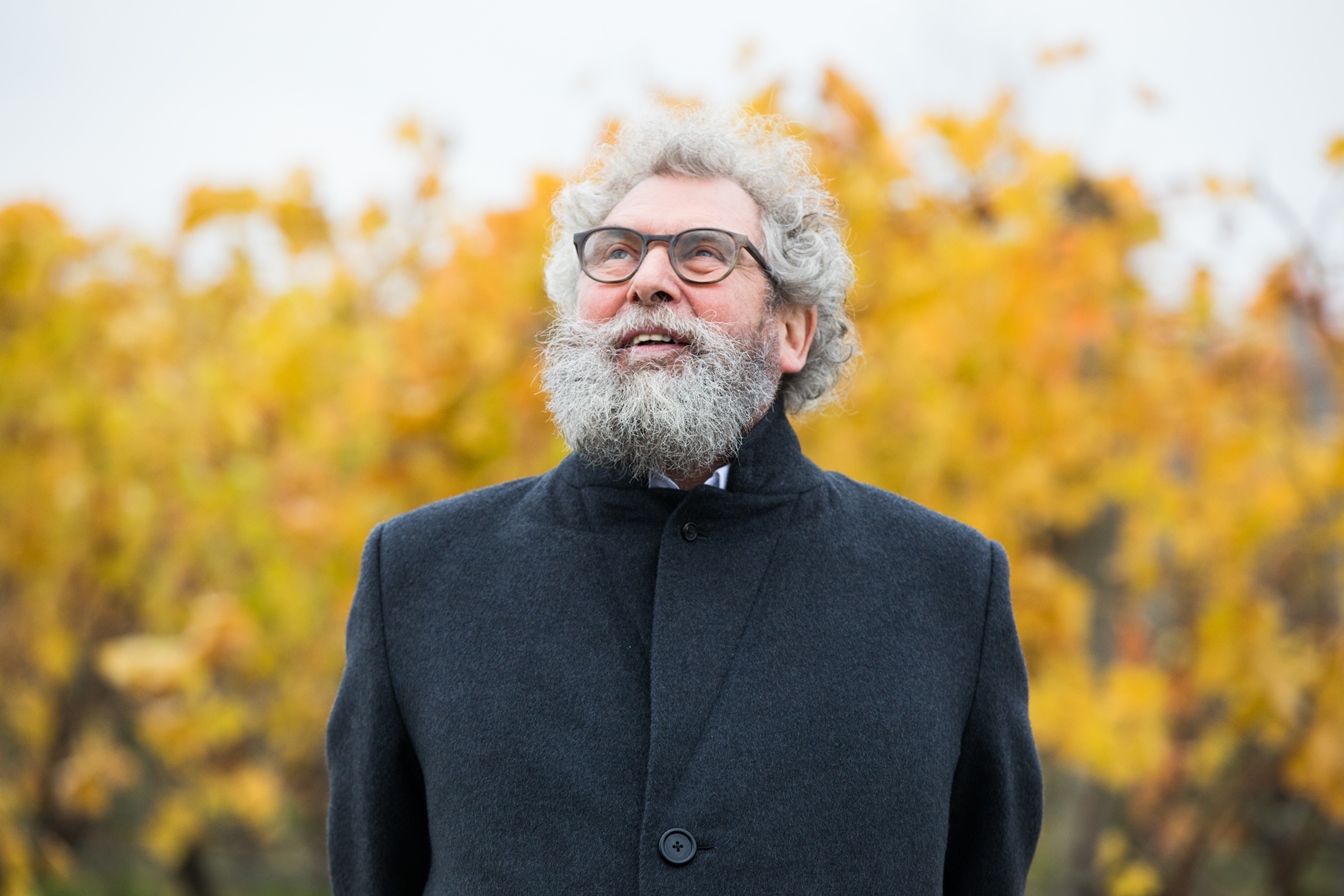
According to organic pioneer and sustainability expert Werner Lampert, we have clearly reached a turning point. No one today can predict the consequences of global warming of 3 to 4 degrees. On top of that, we are heading toward entirely new ways of life: “In the future, we will have very different political circumstances, social conditions, and forms of production.” What our society needs to remain sustainable is resilience —the ability to cope with adverse circumstances and situations. But what framework conditions are necessary for this? And what concrete initiatives will lead to this goal? Eleven thought leaders from the humanities, social sciences, and natural sciences discussed these questions with host Werner Lampert at the second Langenlois Sustainability Forum.
[av_promobox button='no' label='Click me' link='manually,http://' link_target="" color='theme-color' custom_bg='#444444' custom_font='#ffffff’ size=’large’ icon_select=’no’ icon=’ue800’ font=’entypo-fontello’ box_color=“ box_custom_font=’#ffffff’ box_custom_bg=’#444444’ box_custom_border=’#333333’ admin_preview_bg=“]
[av_content_slider heading=" columns='1' animation='slide' navigation='arrows' autoplay='true' interval='5' font_color=" color="]
[av_content_slide title='Philipp Blom' link=" linktarget="]
 What we lack is a narrative of hope
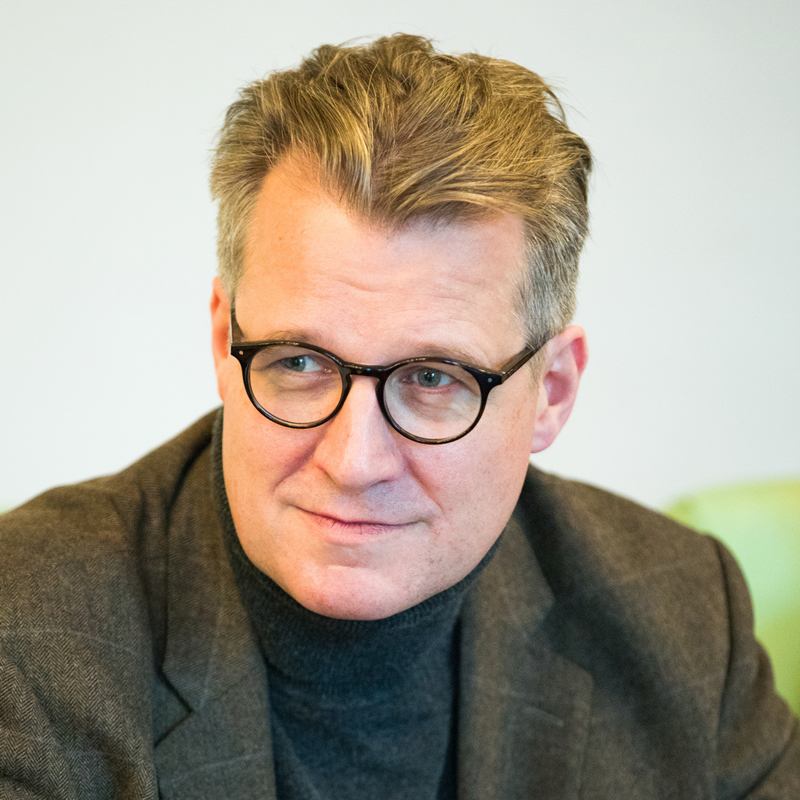
“To counter the uncertainty of the future, we need a narrative of hope. This narrative must be built on a solid foundation—and that can only be achieved if far-reaching economic, social, and political changes take place.”
Philipp Blom, writer and historian, Vienna, Austria
[/av_content_slide]
[av_content_slide title='Daniel Boese' link=" linktarget="]
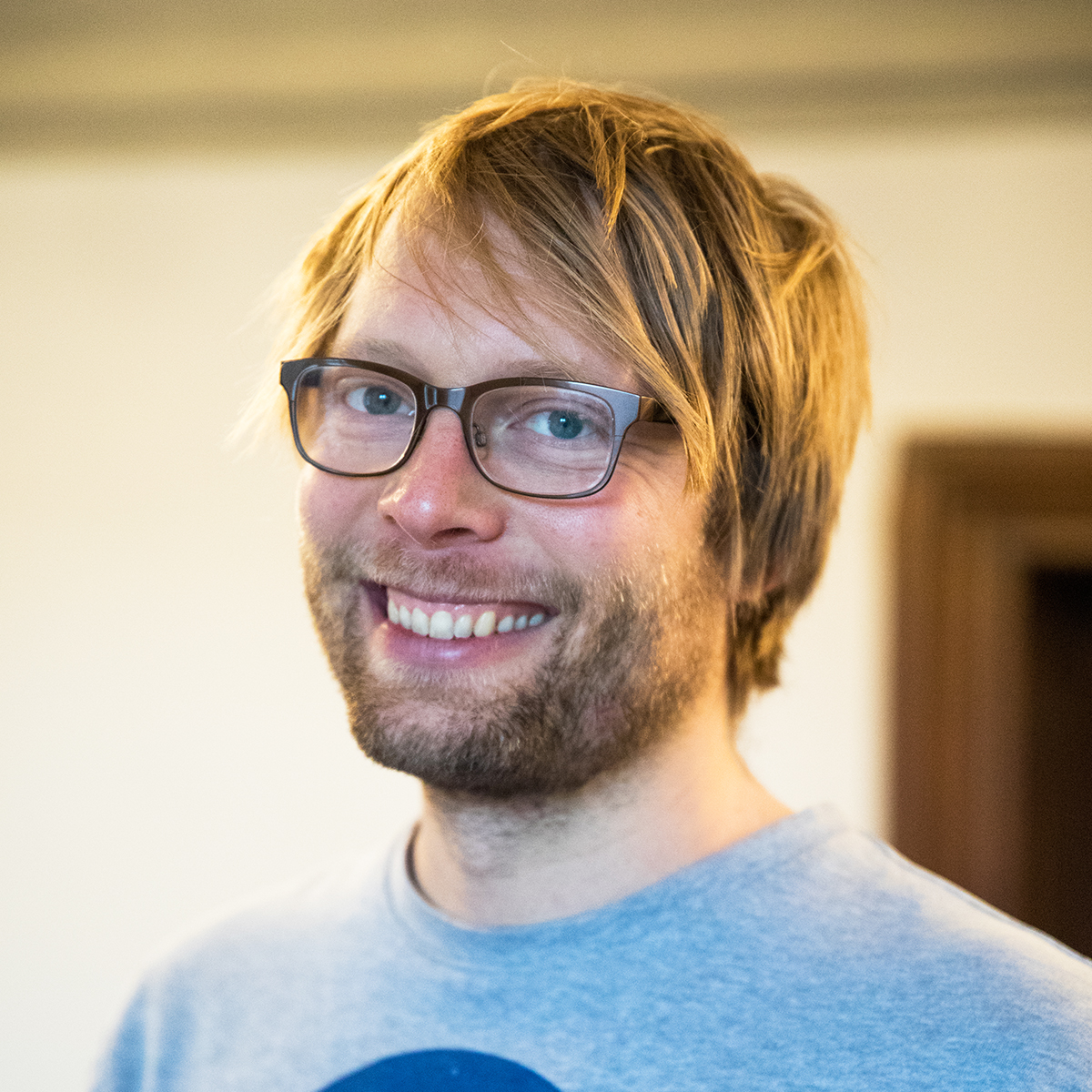 A grand narrative brings together environmental and social movements
“A new, overarching narrative creates a framework and a perspective that bring global networks together with local grassroots activists. This makes it possible to connect movements that are over 100 years old, such as feminism, with new forms of resistance, such as civil disobedience against coal.”
Daniel Boese, Media Spokesperson for Avaaz.org, Hamburg, Germany
[/av_content_slide]
[av_content_slide title='Willi Bründlmayer' link=" linktarget="]
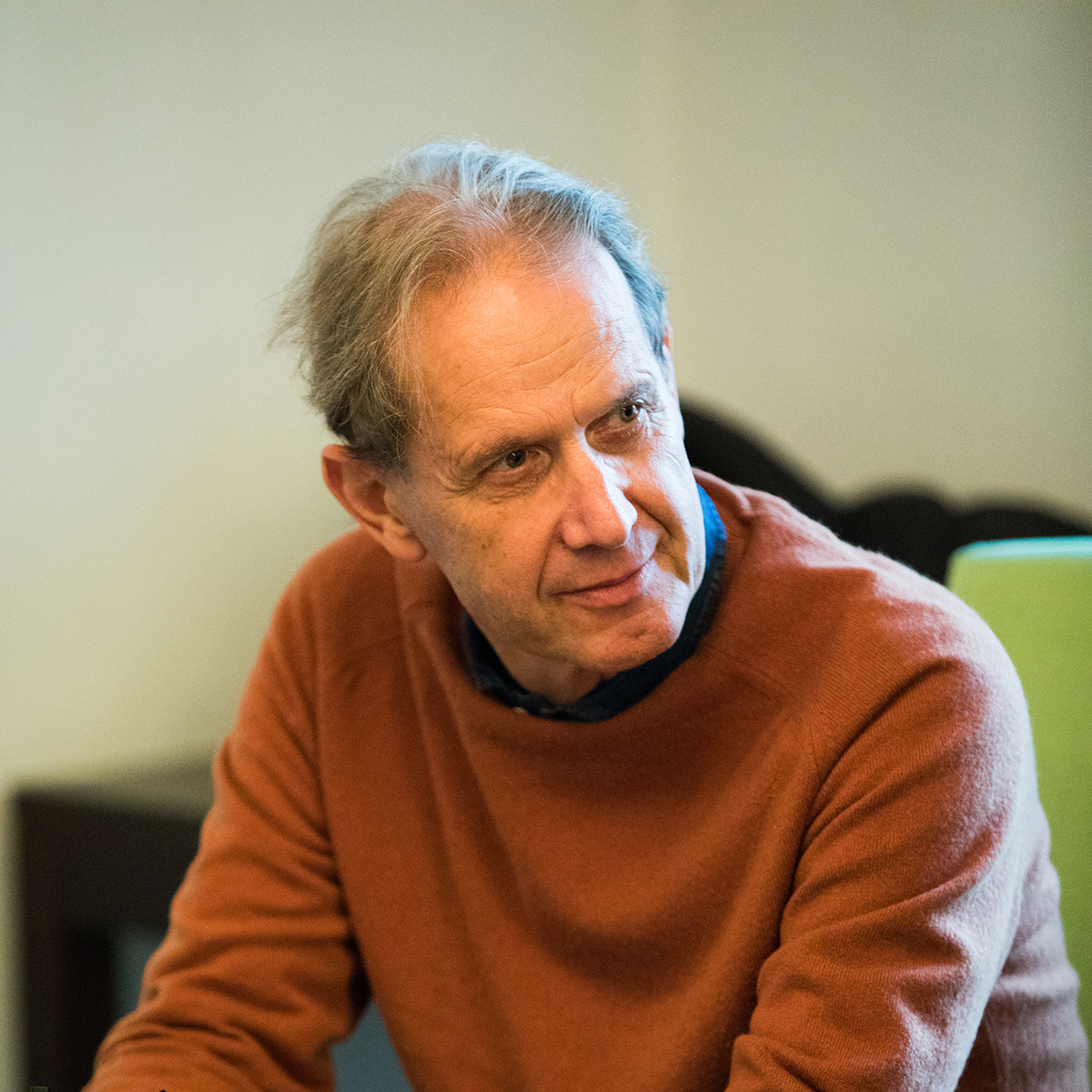 There is a lack of long-term vision
“You gain a completely different economic perspective when you think long-term rather than short-term. Natural capital—such as soil fertility—operates according to entirely different principles.”
Willi Bründlmayer, winemaker, Langenlois, Austria
[/av_content_slide]
[av_content_slide title='Henning Elsner' link=" linktarget="]
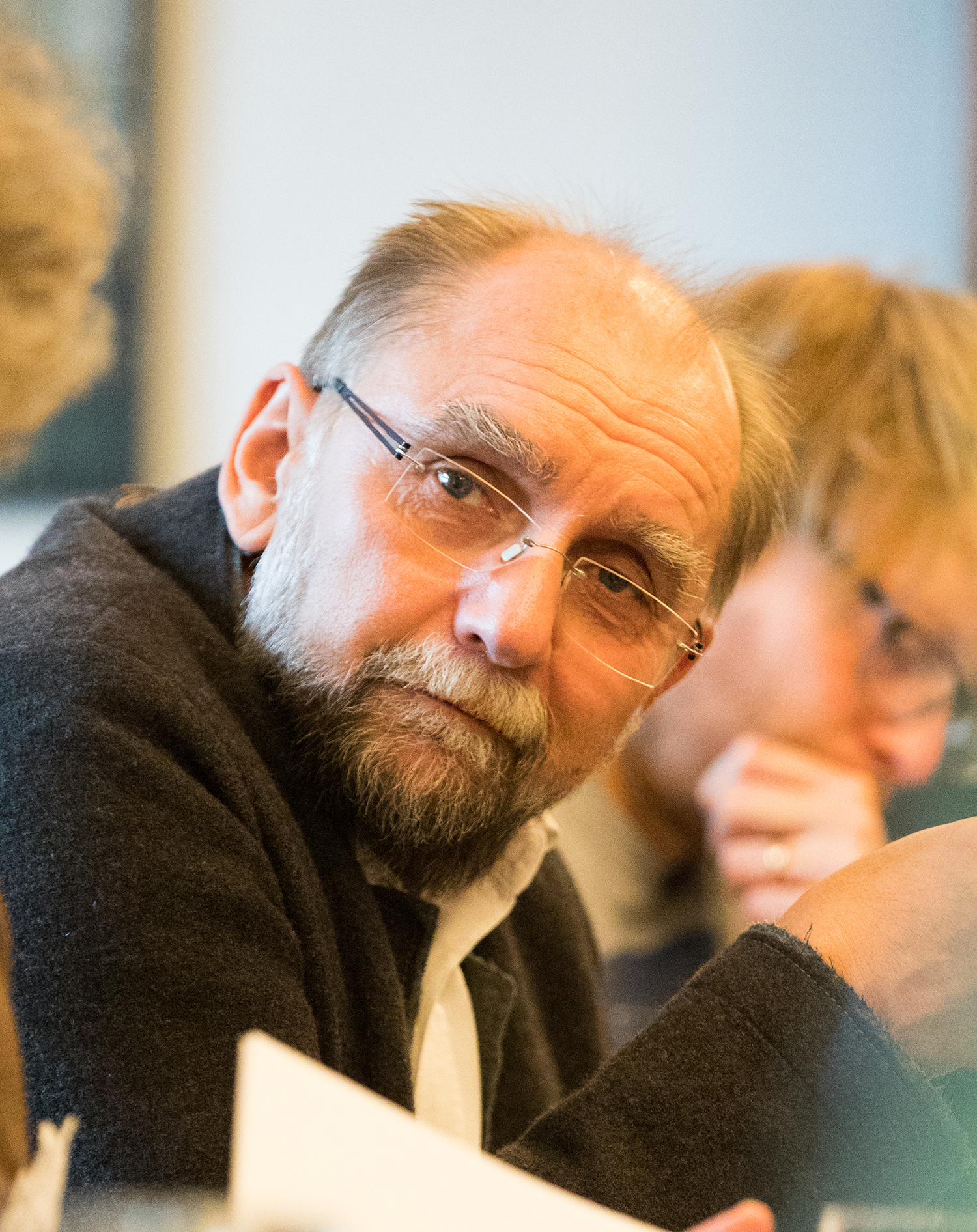 A sense of togetherness fosters vitality
“A resilient person is someone who believes that problems contain solutions. They navigate crises by drawing on personal and socially acquired resources. They use these as opportunities for growth. Resilience cannot be reduced to individual traits.”
Henning Elsner, physician and psychosomatic specialist, Lahnstein, Germany
[/av_content_slide]
[av_content_slide title='Carlos Fraenkel' link=" linktarget="]
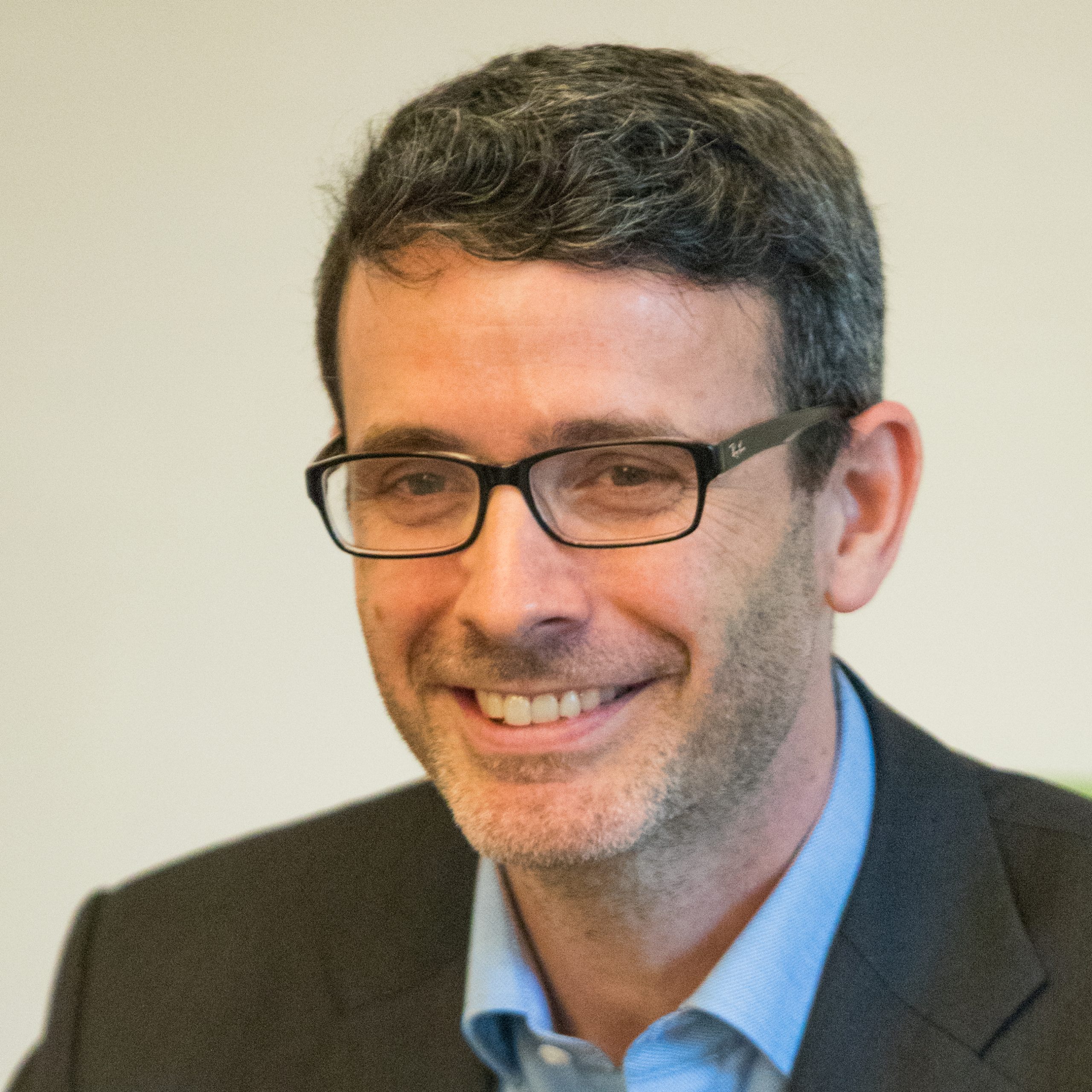 We must strengthen global governance
“The main issue we are addressing—climate change and sustainability—is a global problem. It cannot be tackled within the framework of nation-states. To address it, we also need new institutions for global governance.”
Carlos Fraenkel, philosopher, Montreal, Canada
[/av_content_slide]
[av_content_slide title='Bastiaan Frich' link=" linktarget="]
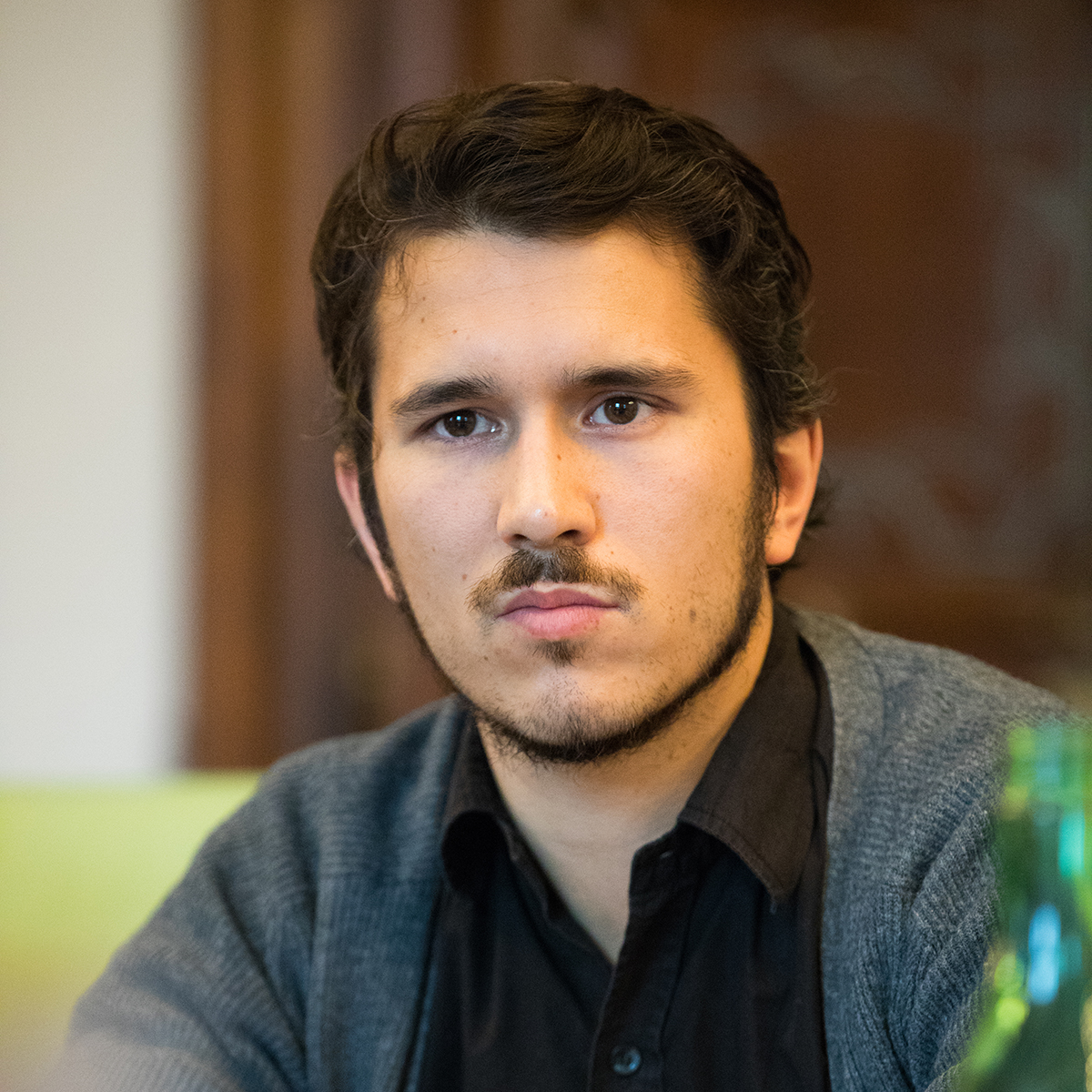 Our currency is appreciation
“The vast majority of projects fail because of interpersonal challenges. For me, peace work begins with myself—in my bedroom, in my family, in my garden, in my neighborhood. With that in mind: Think globally, act locally for universal peace!”
Bastiaan Frich, activist with the Urban Agriculture Network Basel, Basel, Switzerland
[/av_content_slide]
[av_content_slide title='Eva Horn' link=" linktarget="]
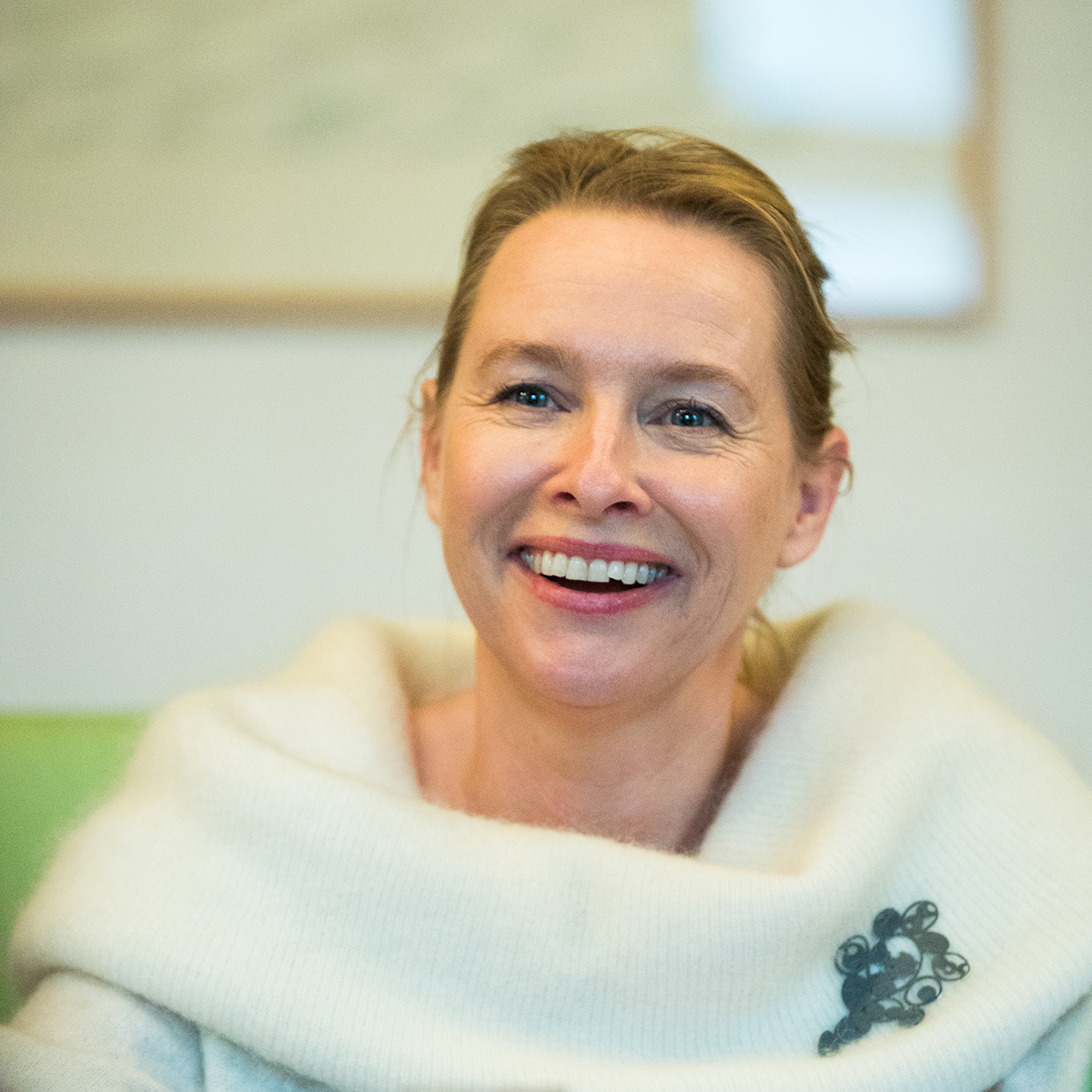 Democracy 2.0 is migrant-driven, global, and regional
“The mediation between political representation organized along national lines and an increasingly heterogeneous, post-national society has entered a crisis. The problems facing contemporary politics no longer seem solvable at the level of nation-states.”
Eva Horn, literary scholar, Vienna, Austria
[/av_content_slide]
[av_content_slide title='Angela Kallhoff' link=" linktarget="]
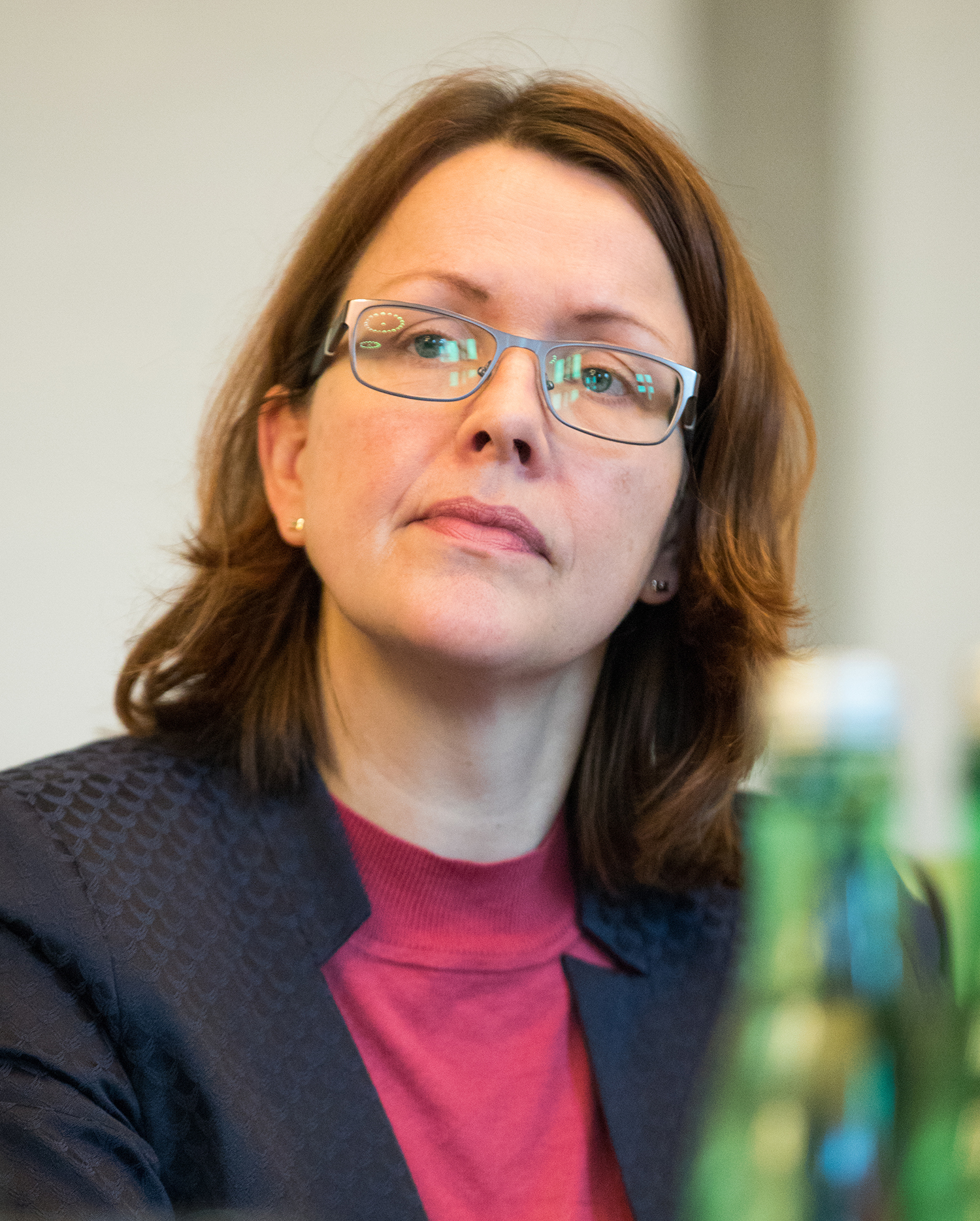 Fair terms are key to successful partnerships
“For me, it’s an opportunity to think in terms of cooperative models and dynamics. People cooperate when they perceive the system as fair. They cooperate when the goal is meaningful and consistent with their own goals.”
Angela Kallhoff, ethicist, Vienna, Austria
[/av_content_slide]
[av_content_slide title='Werner Lampert' link=" linktarget="]
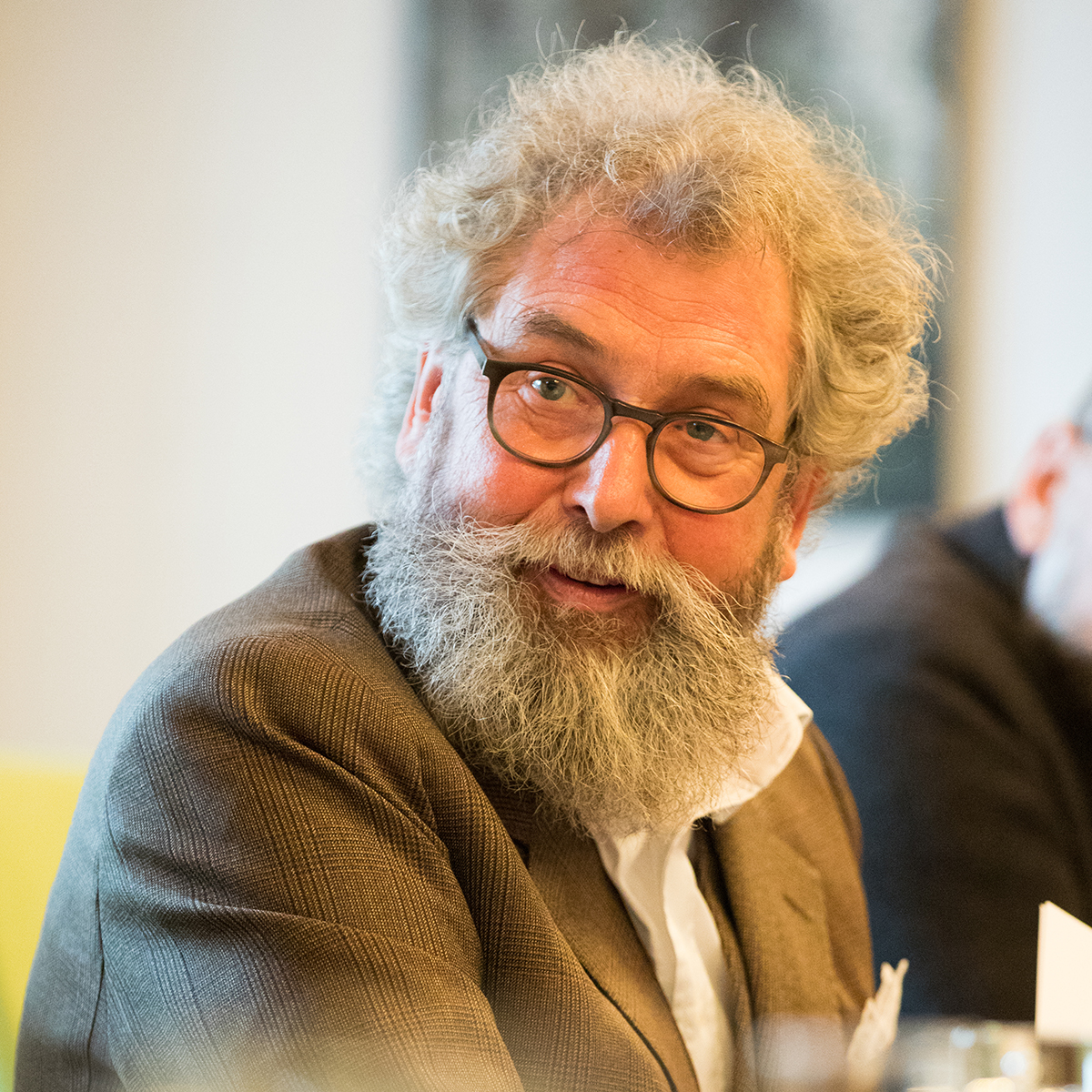 Resilience can only arise from stability
“We must assume that in 30, 40, or 50 years, the global food supply system will no longer function. That is why building resilience is the most important aspect of our daily work. This brings stability to the region and lays the foundation for food sovereignty.”
Werner Lampert, organic pioneer and sustainability expert, Vienna, Austria
[/av_content_slide]
[av_content_slide title='Claudia Pahl-Wostl' link=" linktarget="]
 Democracies need institutions to drive sustainable change
“Democratic societies lack institutions that could shape and steer a transition toward sustainability—in line with the evolutionary concept of reflexive and adaptive governance.”
Claudia Pahl-Wostl, Professor of Resource Management, Osnabrück, Germany
[/av_content_slide]
[av_content_slide title='Kathrin Röggla' link=" linktarget="]
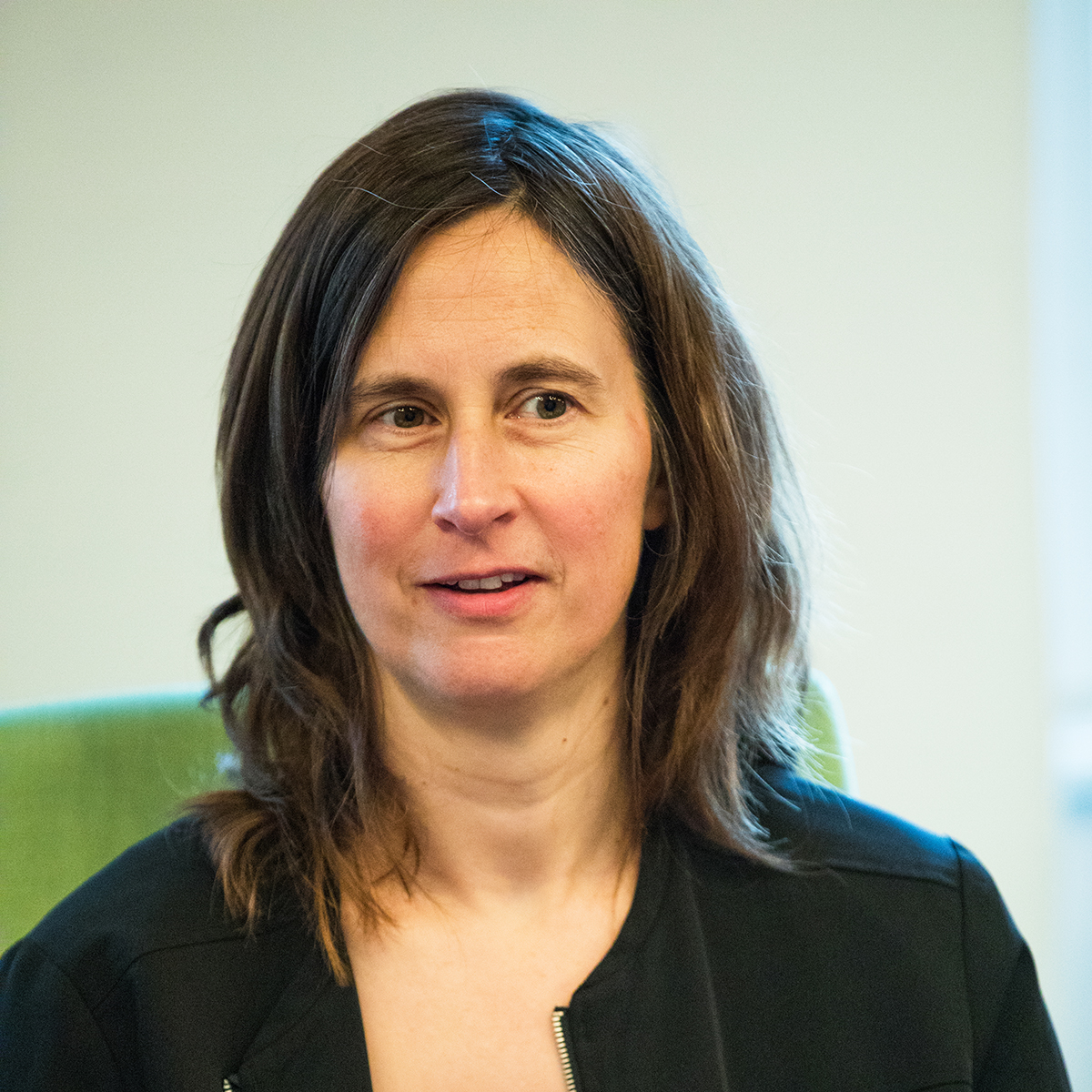 Art contributes to the concept of sustainability
“I believe that art is something that serves the cause of sustainability. When I say that our mindset must change, our behavior must change, and our political decisions must change, then art is something that can help bring about that change.”
Kathrin Röggla, writer, Berlin, Germany
[/av_content_slide]
[av_content_slide title='Harald Welzer' link=" linktarget="]
 A new modernity calls for visions of the future
“A new social movement is missing two elements: We need a sociopolitical framework that addresses the individual and institutional conditions for action, as well as the civilizational standards of modern societies and their preservation. And we need a vision of the future that presents a new modernity in a way that differs from the characteristics of self-denial.”
Harald Welzer, sociologist and social psychologist, Berlin, Germany
[/av_content_slide]
[/av_content_slider]
[/av_promobox]
[av_heading heading='Strong movements need a vision for the future' tag='h3' style="" size="" subheading_active="" subheading_size='15' padding='10' color="" custom_font="" admin_preview_bg=""][/av_heading]
Faced with the overwhelming facts about climate change and a sense of despair, many people have become paralyzed. According to sociologist Harald Welzer and writer Kathrin Röggla, what is needed most to break this paralysis is a vision of the future. The “Stories of Success” from Harald Welzer’s FUTURZWEI Foundation illustrate this perfectly. Here, people and projects are presented that are already actively working toward a more sustainable world—from a recycling shop to an eco-friendly children’s clothing exchange to a community café.
[av_heading heading='Partnerships as a Boost for Resilience' tag='h3' style=" size=" subheading_active=" subheading_size='15' padding='10' color=" custom_font=" admin_preview_bg="][/av_heading]
But how do we make the transition from individual projects to broad-based engagement? How do we mobilize even more people? Ethicist Angela Kallhoff’s answer is: by linking climate and sustainability issues to people’s needs. “We cooperate when we perceive a system as fair. We cooperate when the goal is meaningful and consistent with our own goals,” explains Kallhoff. Only in this way is the shift away from voluntary sacrifice in consumer society toward a new, more sustainable understanding of a ‘good life’ possible.
One concrete approach to this is the “joint action” model. Under this model, different individuals and groups work together toward a common goal—such as the management of natural resources—thereby strengthening forms of cooperation.

How can we break through the wall of indifference surrounding sustainability issues? This question was the subject of intense discussion.
The Urban Agriculture Network Basel has been successfully putting this approach into practice since 2010: this local, comprehensive grassroots movement brings together around 60 sustainable projects.
“We see ourselves as a breeding ground that helps a wide variety of sustainability projects flourish,” explains co-founder Bastiaan Frich.
Daniel Boese offers another successful example in the form of the international citizen movement Avaaz. Avaaz connects people around the world who want to make a difference and aims to “take the sustainability movement out of the ghetto of science and politics—and bring it directly into the public debate.” This requires a great deal of creativity to constantly come up with new campaigns and approaches. Because that is the only way to reach and mobilize people—as was the case for the largest global climate demonstration: In late September 2014, hundreds of thousands took to the streets in New York and at over 2,000 other locations. We know how the story continued, and in 2015, ahead of the UN Climate Change Conference in Paris, the message to politicians around the world was clear: We are ready. Now it’s your turn!
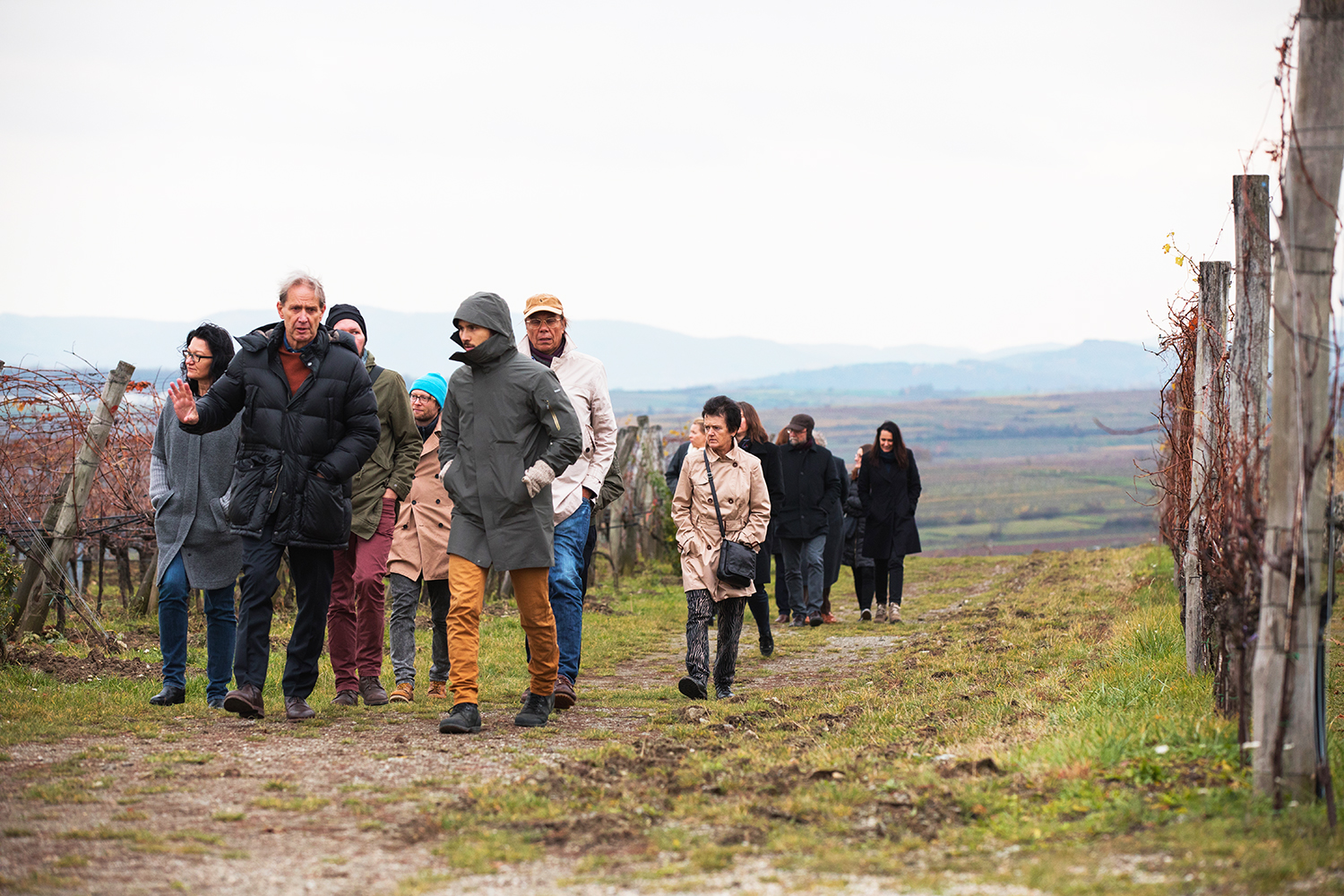
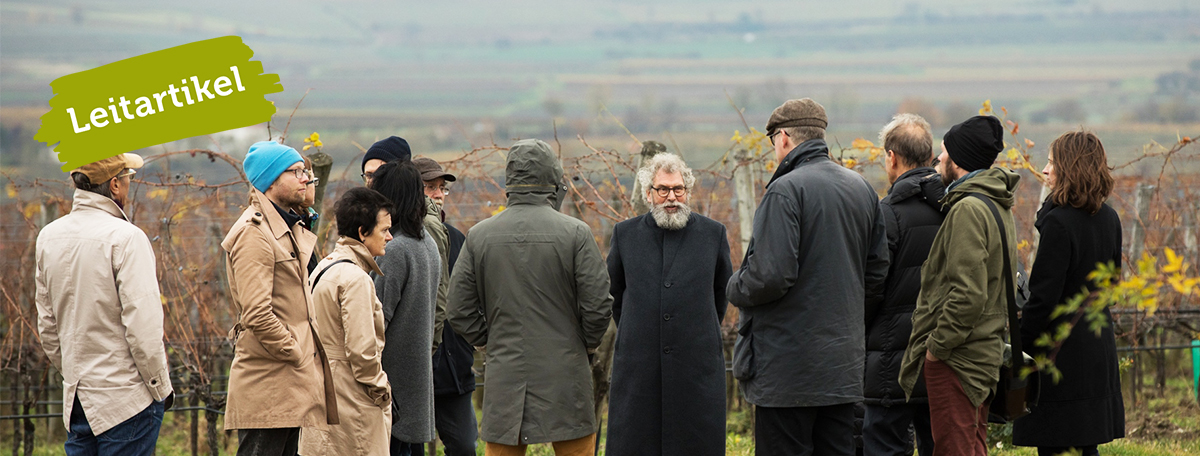
Participants at the second Langenlois Sustainability Forum with winemaker Willi Bründlmayer in his vineyard on Käferberg, in the hills above Langenlois.
[av_heading heading='Working Together to Maintain Public Goods' tag='h3' style=" size=" subheading_active=" subheading_size='15' padding='10' color=" custom_font=" admin_preview_bg="][/av_heading]
“There has to be a sense that you’re part of a shared endeavor,” Welzer is also convinced. For Henning Elsner, a physician and psychosomatic specialist, the resulting “sense of togetherness” is particularly important: “We have to ask ourselves what factors promote resilience and what strengthens our sense of coherence.”
People need to reconnect with nature, which will foster a sense of responsibility in how we use resources. A key to achieving this lies in spaces where people can experience an appealing way of life—spaces that are shared and where people actively participate, such as community gardens.
“An understanding of land is essential,” Werner Lampert urges, because: “There can be no life on this earth without healthy, fertile soil. Water and biodiversity are the safeguards for our future.”
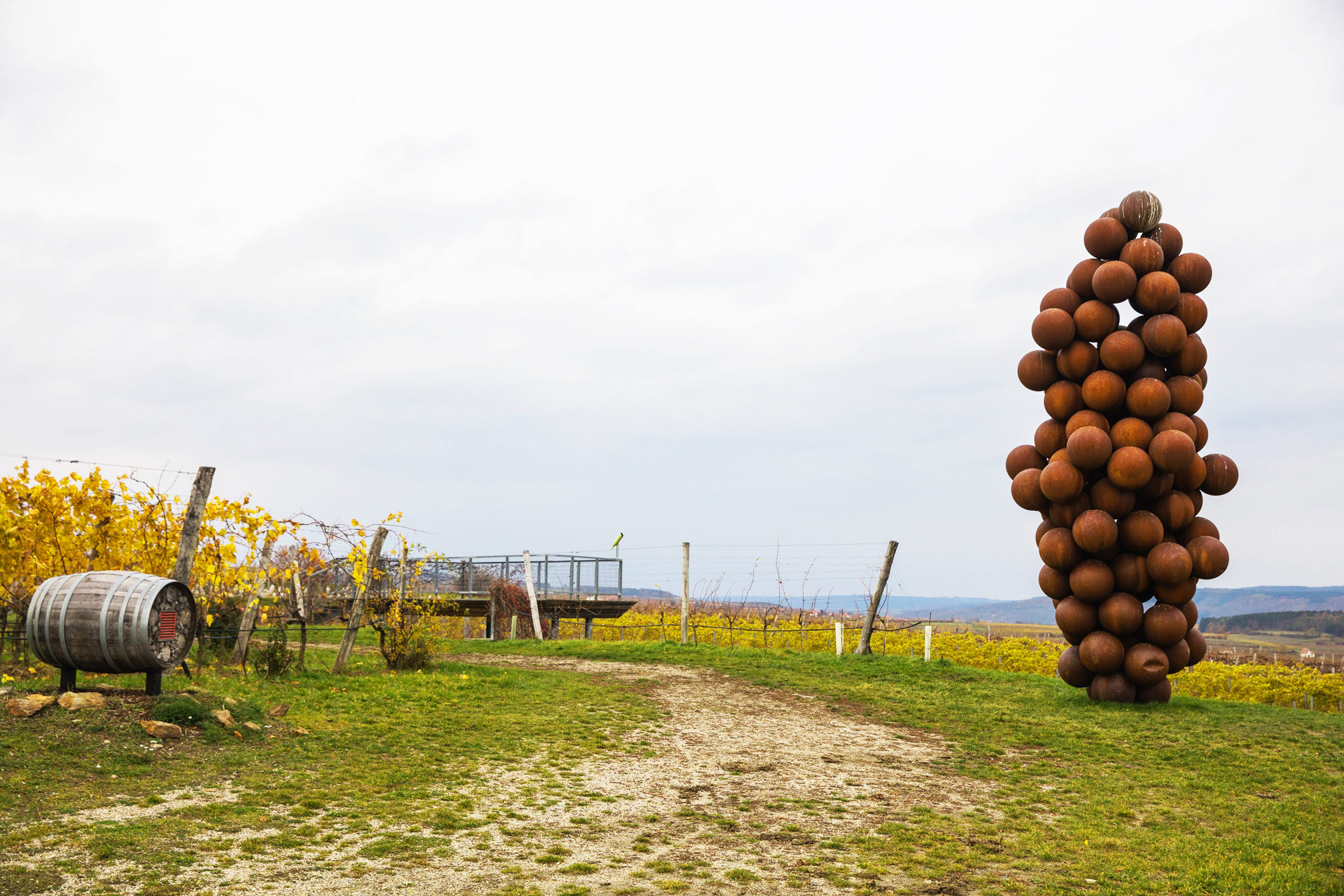
Art in public spaces: The monumental sculpture by artist Heimo Zobernig in Weingarten is known to the residents of Langenlois as the “Grape on Käferberg.”
Sharing and collaborative use are characteristic of such lifestyles. This could, in turn, give rise to a different understanding of economic activity: In this context, ethicist Angela Kallhoff introduces the concept of the “gift economy.” In this model, people share goods and services with one another without expecting anything in return. “In such new forms of economic activity, participation benefits everyone—based on clearly defined rules,” Kallhoff emphasizes.
[av_heading heading='Sustainable change requires new approaches and clear goals' tag='h3' style="" size="" subheading_active="" subheading_size='15' padding='10' color="" custom_font="" admin_preview_bg=""][/av_heading]
Finally, environmental scientist Claudia Pahl-Wostl points to another key factor for sustainable societies: they need institutions that can shape and steer the path toward sustainability. It is important, she says, to link these institutions to binding goals.
“We need a new social contract, based on the United Nations Sustainable Development Goals“Pahl-Wostl demands.”
This could be achieved through “reflexive governance,” in which representative forums are established with the participation of various social groups. These forums would discuss and monitor progress and compliance with the agreement.
As varied as the approaches and perspectives on resilience may have been across the various academic disciplines at the second Sustainability Forum in Langenlois, everyone agreed on one thing:
We need new visions and a narrative of hope that inspires us to take the future back into our own hands and actively shape the world!
[av_notification title=" color='green' border=" custom_bg='#444444' custom_font='#ffffff' size='normal' icon_select='yes' icon='ue837' font='entypo-fontello' admin_preview_bg="]
Editorial article
[/av_notification]