
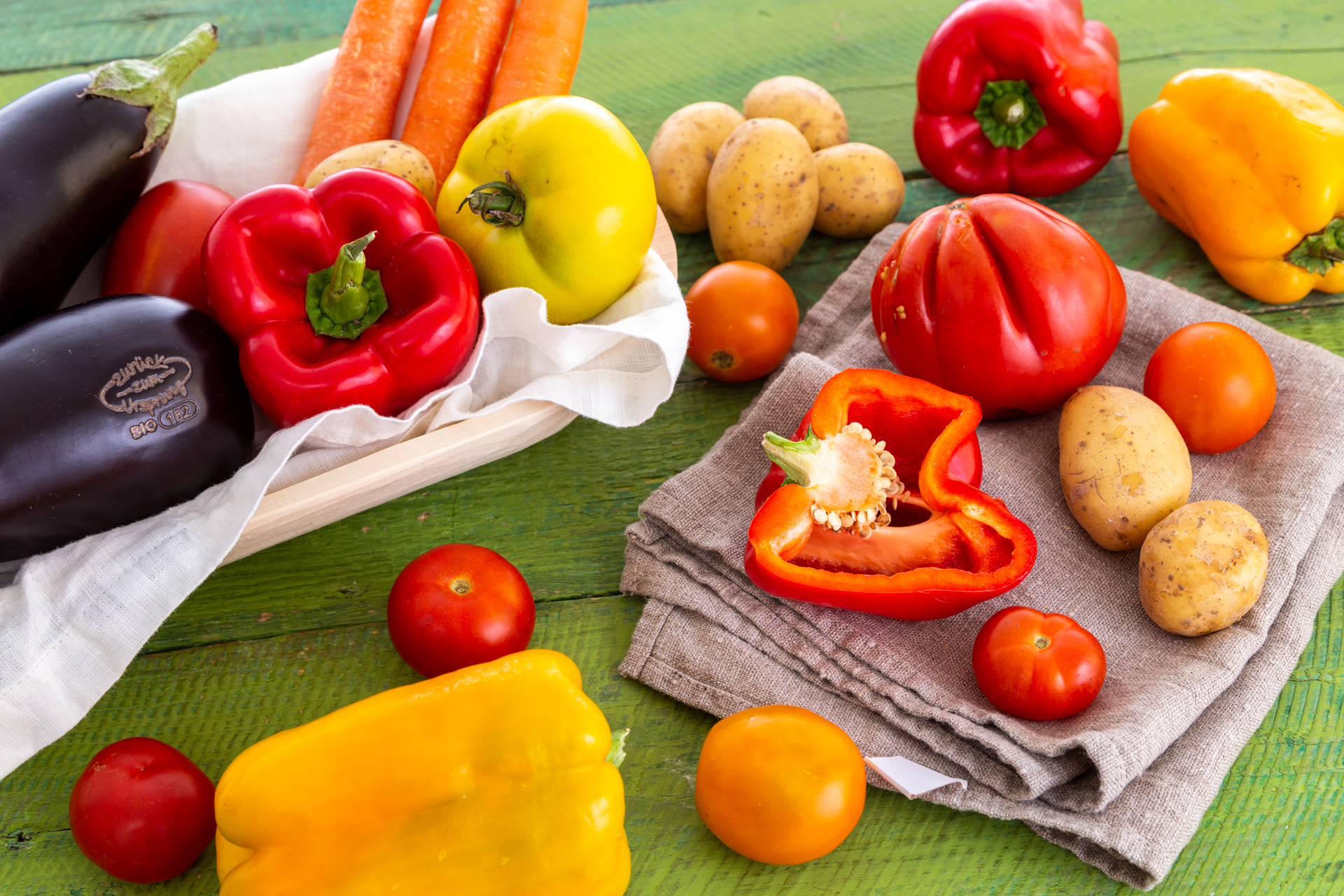
Essen müssen wir, das ist klar. Doch für welches Essen wir uns täglich entscheiden, hat große Auswirkungen auf unseren Planeten. Wir möchten aufschlüsseln, wie Sie sich klimafreundlich ernähren können, ob die Kuh wirklich ein Klimakiller ist und Bio-Lebensmittel die bessere Wahl sind.
Was war der Beginn des Untergangs des Menschen? Wenn man nach Yuval Noah Harari, hebräischer Professor für Geschichte, geht, dann war es die Entwicklung der Landwirtschaft. Denn durch sie entstand erstmals Besitz und in Folge ein System von Herrschern und Eliten (Quelle: Eine kurze Geschichte der Menschheit ist ein Sachbuch von Yuval Noah Harari).
Wenn die Landwirtschaft die Ursache allen Übels ist, könnte dann nicht im Umkehrschluss eine neue Art der Landwirtschaft der Neustart in eine nachhaltige Zukunft sein?
[av_heading heading=’Hauptverursacherin und -leidtragende‘ tag=’h3′ style=“ size=“ subheading_active=“ subheading_size=’15‘ padding=’10‘ color=“ custom_font=“ admin_preview_bg=“][/av_heading]
Die Landnutzung , Land- und Forstwirtschaft sind für ca. 23 Prozent der weltweiten Treibhausgasemissionen verantwortlich (Methanausstoß, CO₂-Ausstoß, Lachgasemissionen). Rechnet man die gesamte Lebensmittelproduktion ein (zusätzlich werden vor- und nachgelagerte Prozesse der Lebensmittelproduktion sowie Landnutzungsänderung wie Waldrodung einberechnet), dann sind wir bereits bei bis zu 37 Prozent! (IPCC Sonderbericht im August 2019) – sie macht somit den größten Brocken der Treibhausgasemissionen aus.
Gleichzeitig leidet die Landwirtschaft am stärksten unter der Klimaerwärmung. Selbst in Österreich laut AGES 2018 würden weitere 3 Grad Erwärmung Regenfälle stark verschieben und vermehrte Dürren bedeuten. Im Marchfeld wären Ernteeinbußen bis zu 50 Prozent zu erwarten, die Lebensmittelversorgung wäre gefährdet.
Schon jetzt ist Österreich von Lebensmittel- und Futtermittelimporten abhängig. Pro Jahr importiert das Land ca. 550.000 t Soja (AGES 2015), das entspricht einem externen Flächenbedarf von ca. 166.700 ha. Das Soja stammt zu ca. je einem Drittel aus Brasilien, Argentinien und den USA. 75 Prozent des importierten Futtersojas aus Übersee ist dabei noch dazu gentechnisch verändert.
[av_heading heading=’Darf ich kein Schnitzel mehr essen?‘ tag=’h3′ style=“ size=“ subheading_active=“ subheading_size=’15‘ padding=’10‘ color=“ custom_font=“ admin_preview_bg=“][/av_heading]
Im österreichischen Wahlkampf 2019 twitterte die SPÖ-Spitze: „Das Schnitzel darf nicht zum Luxus werden!“ Damit wetterte sie gegen eine mögliche Fleischsteuer, und versuchte Wähler zu beschwichtigen, die Angst hatten ihr Schnitzel aus Klimaschutz-Gründen zu verlieren.
Dabei frage ich jedoch, waren Sie diesen Sommer unter den Menschen, die auf Bolsonaro schimpften, weil er die Waldbrände in Brasilien zuließ? Dann erinnern Sie sich an den Sojaimport für die österreichische Tiermast. Und bedenken Sie, Ihr regelmäßiges Schnitzel beansprucht in Brasilien eine Fläche größer als Wien, wo sich zuvor Jaguare, Kolibris etc. tummelten.
Sie müssen nicht vegan werden, aber fragen Sie, wo die Futtermittel herkamen. Der Prüf Nach!-Standard hat hier die strengsten Richtlinien Österreichs, er schreibt 100 Prozent heimische Futtermittel vor (authentische Regionalität). Diesen Vorschriften entsprechen beispielsweise die Zurück zum Ursprung Bio-Produkte bei HOFER oder die Fleischprodukte in den Bio-Mensen.
Wenn nur heimische Futtermittel genutzt würden, wäre das auch das Ende der Massentierhaltung! Denn die Fläche Österreichs ist nicht groß genug für täglich Wurst, Fleisch, Milch und Eier. Was wäre das für ein Gewinn für die Tiere? Wie vorzüglich würde das langersehnte Schnitzel vom Bio-Schwein dann schmecken?
[av_heading heading=’Wie sieht nun eine klimafreundliche Ernährung aus?‘ tag=’h3′ style=“ size=“ subheading_active=“ subheading_size=’15‘ padding=’10‘ color=“ custom_font=“ admin_preview_bg=“][/av_heading]
Im Jänner 2019 machte die Lancet Kommission durch die Veröffentlichung der planetary health diet auf sich aufmerksam, eine Diät, die sowohl umweltverträglich als auch gesund sei. Die vorgeschlagene Diät besteht vor allem aus Gemüse, Milchprodukten, Vollkornprodukten, Obst, Hülsenfrüchten, gesunden Ölen und Fetten. Nur 43 g Fleisch (Geflügel und rotes) pro Tag sind vorgesehen, sprich 301 g pro Woche.
Kritiker werfen den Publizierenden vor, voreingenommen zu sein, da viele von ihnen Veganer oder gar Tierschützer seien. Dieses Argument kann ich nicht nachvollziehen, denn ist es nicht logisch, dass ich den Lebensstil, den ich für die Welt als sinnvoll erachte, auch selbst praktiziere? Ist eine Studie von Nichtrauchern zur Schädlichkeit von Tabak weniger glaubwürdig, als von Rauchern?
[av_heading heading=’Und was ist jetzt mit der Kuh? Klimakiller Nr. 1?‘ tag=’h3′ style=“ size=“ subheading_active=“ subheading_size=’15‘ padding=’10‘ color=“ custom_font=“ admin_preview_bg=“][/av_heading]
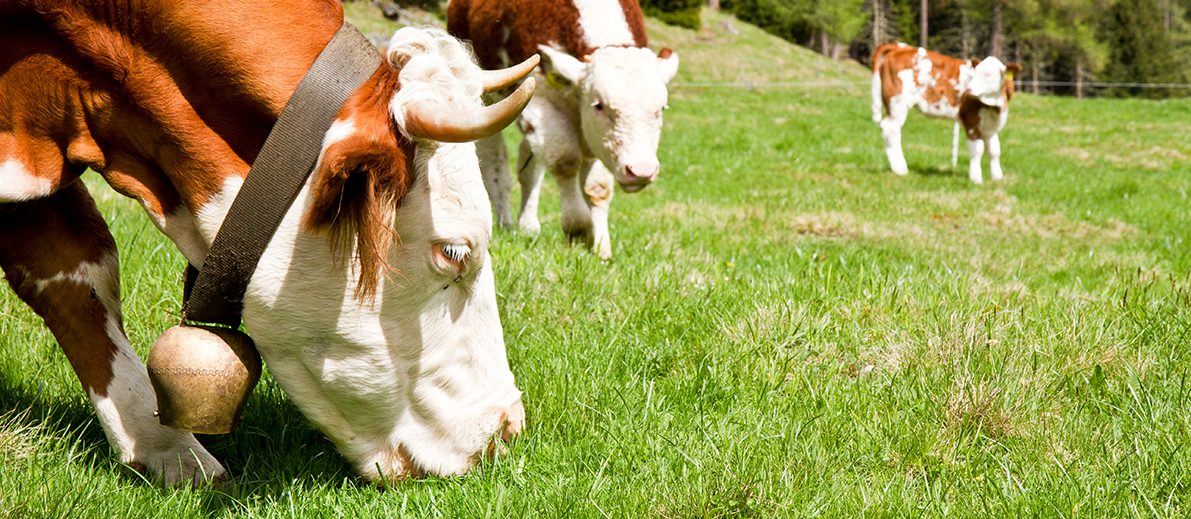
Kühe rülpsen unentwegt Methan, das bis zu 33 Mal klimaschädlicher ist als CO2. 9,5 Prozent der weltweiten Treibhausgasemissionen gehen tatsächlich auf Rinder zurück. Trotzdem ist es wissenschaftlich fragwürdig, eine Kuh nur auf ihren Methanausstoß zu reduzieren.
Wiederkäuer spielen in der Weltgeschichte eine wichtige Rolle: Grasländer sind riesengroße Kohlenstoffspeicher, und entstanden sind sie durch das Zusammenleben von Gräsern und Wiederkäuern. Durch das Abgrasen bilden Gräser viel Wurzelmasse, wodurch Kohlenstoff im Boden gespeichert wird, gleichzeitig versorgen die Ausscheidungen der Wiederkäuer die Böden mit Nährstoffen. Ein wunderbares Zusammenspiel der Natur, dessen Erhaltung von großer Bedeutung für Biodiversität, Böden und Klima ist.
Steht eine Kuh hingegen im Stall und wird mit Kraftfutter (Mais, Soja, Getreide) gefüttert, geht es leider völlig verloren. Das ungenützte Grünland wird meist verbaut, versteppt, oder wird zu Ackerland umgebrochen. Das führt wiederum zu Abbau von Humus und möglicherweise der Auswaschung von Nitraten, was mit Lachgas- und CO2-Emissionen einhergeht. Daher ist bei Prüf Nach! für alle Wiederkäuer (Rinder, Ziegen, Schafe) Weidehaltung verpflichtend, denn extensives Grünland muss unbedingt erhalten werden.
[av_heading heading=‘ Ist die Bio-Landwirtschaft klimaschädlich?‘ tag=’h3′ style=“ size=“ subheading_active=“ subheading_size=’15‘ padding=’10‘ color=“ custom_font=“ admin_preview_bg=“][/av_heading]
Immer wieder werden Studien publiziert, dass Leistungs- und Ertragsmaximierung der beste Weg zu einer klimafreundlichen Landwirtschaft sei. Wenn auf einer kleinen Fläche mehr produziert wird, können beispielsweise die freiwerdenden Flächen aufgeforstet werden. Daher sei die Bio-Landwirtschaft, die weniger Erträge pro Hektar liefert, klimaschädlich.
Leider ist mit Maximierung meistens Intensivierung gemeint, die nur mit chemisch-synthetischen Pestiziden und Kunstdünger oder der Überzüchtung und Ausbeutung von Tieren möglich ist. Glücklicherweise gibt es dazu aber bereits nachhaltige Ansätze und Gegenentwürfe, wie durch Kreislaufwirtschaft, Perma- und Mischkulturen. (Klimafreundliche Landwirtschaft, so wird’s gemacht)
(Wissenschaftliche Hintergründe zur Klimawirksamkeit der Bio-Landwirtschaft finden Sie unter: Klimakiller Bio?)
[av_heading heading=’Ein gangbarer Weg‘ tag=’h3′ style=“ size=“ subheading_active=“ subheading_size=’15‘ padding=’10‘ color=“ custom_font=“ admin_preview_bg=“][/av_heading]
Und jetzt schließt sich wieder der Bogen: Wenn die Landwirtschaft die Wurzel allen Übels war, kann eine nachhaltige, gemeinschaftliche Landwirtschaft der Ursprung eines neuen Miteinanders sein? Jahrtausendelang ging der Mensch achtsam mit den Ressourcen um, waren sie doch die Lebensversicherung seiner Nachkommen. Irokesen stellten sich gar die Frage, ob ihre Handlungen für ihre Nachkommen in 7 Generationen von Vorteil sein würden.
Wenn wir Lebensmittel wieder als wertvolles Gut ansehen, nicht als Wegwerfprodukt oder rein zum Überleben, überträgt sich diese Wertschätzung auch in andere Bereiche. Der Satz „du bist, was du isst“ fasst dies perfekt zusammen.
Der Schritt zu einer klimafreundlichen Ernährung ist bestimmt einer der wirksamsten, um den eigenen Lebensstil grundsätzlich zu verändern. Und er ist einer der dankbarsten, denn er ist mit wunderbarem Genuss verbunden! Was für eine Erfahrung, was für eine Explosion für die Geschmacksknospen, wenn sie nachhaltige Lebensmittel erleben dürfen.
Wie wunderbar schmeckt eine frisch gekochte Speise im Vergleich zum Fast Food. Wie intensiv die sonnengereifte Tomatenrarität im Sommer, im Vergleich zur winterlichen Glashauseinheitstomate?
In diesem Sinne, lassen Sie es sich schmecken, die klimafreundliche Ernährung!
[av_promobox button=’no‘ label=’Klick mich‘ link=’manually,http://‘ link_target=“ color=’theme-color‘ custom_bg=’#444444′ custom_font=’#ffffff‘ size=’large‘ icon_select=’no‘ icon=’ue800′ font=’entypo-fontello‘ box_color=“ box_custom_font=’#ffffff‘ box_custom_bg=’#444444′ box_custom_border=’#333333′ admin_preview_bg=“]
 Über die Autorin
Dr. Isabell Riedl ist seit 2012 als Nachhaltigkeitsbeauftragte und in der Kommunikation der Werner Lampert GmbH tätig. Sie studierte Ökologie mit Schwerpunkt Natur- und Landschaftsschutz und Tropenökologie an der Universität Wien. Ihre Dissertation verfasste sie über die Bedeutung von Baumreihen in landwirtschaftlichen Gebieten für Waldvögel in Costa Rica. Zeit ihres Lebens hat sie sich insbesondere der ökologischen Nachhaltigkeit verschrieben. Sie ist Teil des Redaktionsteam des Online-Magazins „Nachhaltigkeit. Neu denken.“
[/av_promobox]
Lesen Sie jetzt weitere Artikel im Klimakrise-Schwerpunkt und finden Sie heraus, wie Sie Klimaschutz vorantreiben können.