Haben Sie schon mal Ihre Großmutter nach den Rezepten ihrer Kindheit gefragt? Fleisch kam da nur selten auf den Tisch. Wenn aber doch, dann war ein deftiges Beuschel keine Seltenheit. Es duftete nach gerösteter Leber, gebackenen Nieren und manchmal nach Spezialitäten wie Kalbsherz in Rahm. Fakt ist: Was heute vielen den Magen umdreht, war einst Gang und Gebe. Schwein zerlegen, Blut verkochen, Fleisch konservieren lautete die Devise. Nichts wurde weggeschmissen. Eigentlich ökologisch ziemlich tragfähig, wenn man genauer darüber nachdenkt.
„Nose to Tail“ erlebt Renaissance
Diesen Gedanken hatte auch der britische Koch Fergus Henderson. Im Jahr 1999 ließ er mit seinem Kochbuch „Nose to Tail Eating: A Kind of British Cooking“ eine fast vergessene Kochkunst wiederaufleben. Die Idee dahinter ist simpel: Nichts soll in den Müll wandern. Werden alle Teile des Tieres gegessen, steigt auch die Wertschätzung für das Lebewesen. Ganze 13 Jahre dauerte es, bis das Werk von Henderson auch ins Deutsche übersetzt wurde und zum Kochbuch mit Kultstatus avancierte.
Dass es höchste Zeit ist, unseren Fleischkonsum zu überdenken und „Nose to Tail“ ernst zu nehmen, zeigt der Blick in die Statistik. Laut dem Fleischatlas der Heinrich-Böll-Stiftung 2018 werden zum Beispiel in Deutschland nur 40 bis 55 Prozent des geschlachteten Tieres verwertet. Dabei handelt es sich vorwiegend um Edelstücke, vom Filet bis zum Muskelfleisch. Leisten kann sich das heute fast jeder. Durch die industrielle Tierhaltung sanken die Preise für die teuersten Stücke – und damit auch die Wertschätzung für das Leben des Tieres.
Hahn im Glück – Ganzheitliche Verwertung beim Markenprojekt „Zurück zum Ursprung“
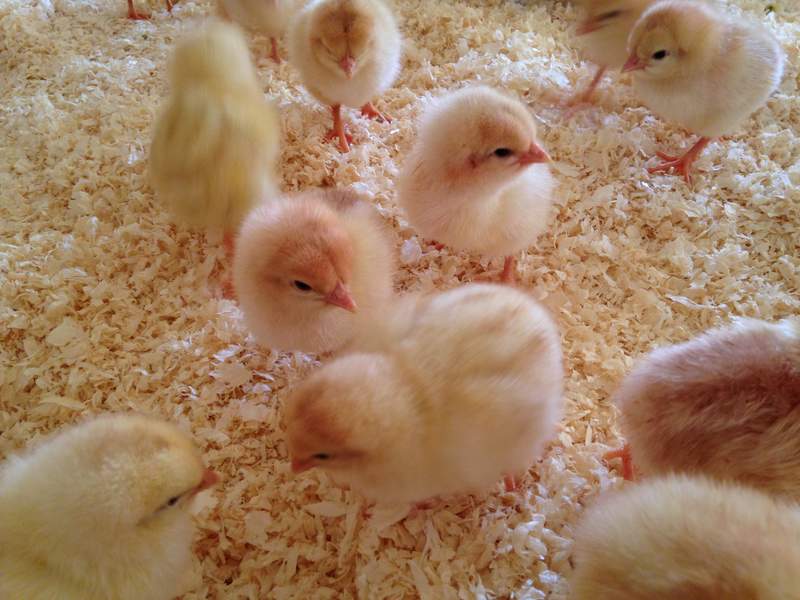 Lebensmittelverschwendung wird in der Lebensmittelindustrie im großen Stil praktiziert. Für jede eingestallte Legehenne, wird in der Regel ein männliches Küken am Tag des Schlupfs geschreddert oder vergast. Nicht bei „Zurück zum Ursprung“! Seit Dezember 2015 wird durch das „Hahn im Glück“- Projekt kein einziges Küken mehr getötet, sondern artgerecht nach dem hohen „Prüf Nach!“-Standard aufgezogen. Das holistische Konzept garantiert nicht nur eine Aufzucht nach strengen Tierwohl-Kriterien, sondern auch eine ganzheitliche Verwertung. Die Hähne werden zu 100 % in Österreich geschlachtet und als „Zurück zum Ursprung“ Bio-Produkte in Form von Filetstreifen und Hühnerwürsteln vermarktet. Rund 200.000 männlichen Küken rettet auf diese Weise die Initiative „Hahn im Glück“ jährlich das Leben und gewährleistet eine ethisch vertretbare Nutzung ihres Fleisches.
Fleisch ist Lebensmittel Nummer 1, aber nicht jedes
Da ist es auch nicht verwunderlich, dass der Fleischkonsum hoch ist, wie nie zuvor – zumindest in den westlichen Industriestaaten. Den höchsten Fleischverbrauch pro Kopf in der EU darf sich laut WWF Österreich an die Fahnen heften. Mit über 100 Kilogramm Fleisch pro Kopf und Jahr übertrifft dieser den weltweiten Durchschnitt um mehr als das Doppelte. Sehr bedenklich, wenn man überlegt, dass heute nur knapp die Hälfte der Teile eines Tieres für unseren Gaumen gut genug ist.
Dass das auch nicht gerade den Klimaschutz fördert, liegt auf der Hand. Denn wer viele Filets essen will, braucht auch viele methanproduzierende Kühe, Hühner und Schweine – hinzu kommt die klimabelastende Herstellung von Futtermitteln, die zum Großteil im Ausland passiert, wo sehr geringe Umwelt- und Sozialstandards gelten. Nach Berechnungen von Greenpeace werden pro Kilo Rindfleisch umgerechnet 13,3 Kilogramm CO2 freigesetzt. Zum Vergleich: Die gleiche Menge Mischbrot produziert 0,75 Kilogramm CO2. Ein Grund mehr, Lebensmittel ganzheitlich zu verwerten.
Waste Cooking – Kochen, was andere wegwerfen
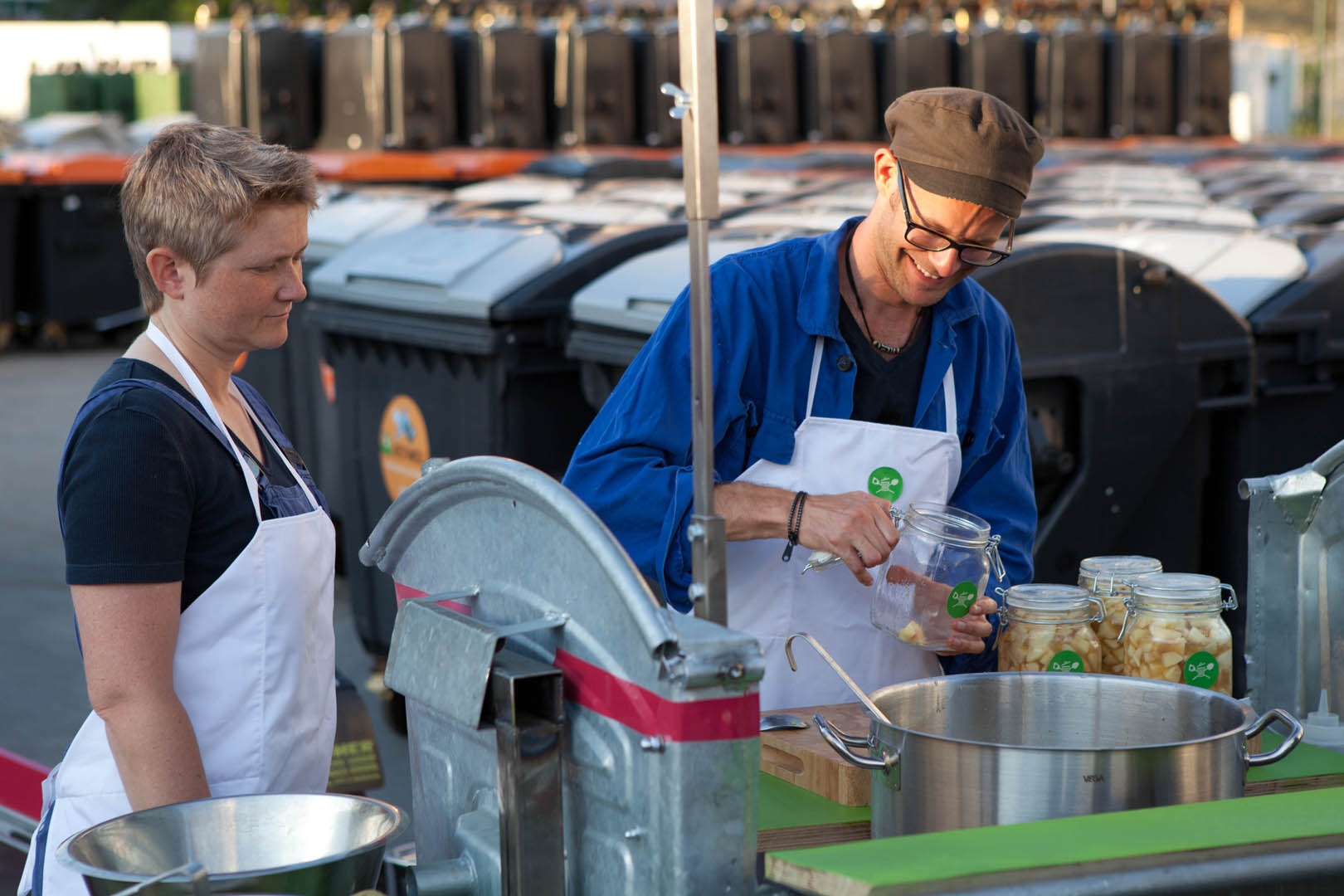
Etwa 157.000 Tonnen an verzehrbaren Lebensmitteln landen in Österreich jährlich im Restmüll. In Europa sind es über 90 Millionen Tonnen. Die österreichische Initiative „Waste Cooking“ setzt sich dieser Lebensmittelverschwendung entgegen – und sammelt noch genießbares Essen. Und das lohnt sich: Auf der Website finden sich neben zahlreichen Tipps und Tricks zum Thema, auch Rezepte für selten verwendete oder alte Lebensmittel.
Auch Blätter und Wurzeln schmecken
Das Konzept findet nicht nur bei Fleischtigern begeisterte Anhänger – sondern auch bei Gemüselöwen. Hier lautet der Leitsatz „vom Blatt bis zur Wurzel“. Aufmerksam machte damit zuletzt die Schweizerin Esther Kern. Gemeinsam mit Sylvan Müller und Pascal Haag verfasste sie 2017 das Werk „Leaf to Root“ passend zu ihrer gleichnamigen Initiative. Darin finden sich 70 vegetarische Rezepte zur ganzheitlichen Verarbeitung von Obst und Gemüse. Aus Melonenschalen lässt sich beispielsweise ein köstliches Chutney zubereiten, aus Brokkoliblättern knusprige Chips und aus Radieschengrün ein schmackhafter Salat.
In die gleiche Kerbe schlagen auch Trends wie Food-Upcycling aus dem anglo-amerikanischen Raum, die sich mit kreativen Rezeptideen wie Bananenschalen-Pommes gegen Verschwendung wenden. Und das hat Sinn. Laut Bundesministerium für Nachhaltigkeit und Tourismus fallen in einem österreichischen Haushalt jährlich rund 19 Kilogramm vermeidbare und teilweise verwendbare Lebensmittelabfälle an. Dazu zählen verpackte Speisen, die noch genussfähig wären aber auch Tellerreste. Übrigens, für alle die bereits vor dem Biss in die Bananenschale das Gesicht verziehen: In Obst- und Gemüsehüllen stecken wertvolle Nährstoffe, darunter Vitamine und Antioxidantien. Wichtig ist dabei, auf Bio-Qualität zu achten. Denn sonst findet sich dort auch die größte Menge an Pestiziden.
Leaf to Root – Nachhaltigkeit auf dem Menü
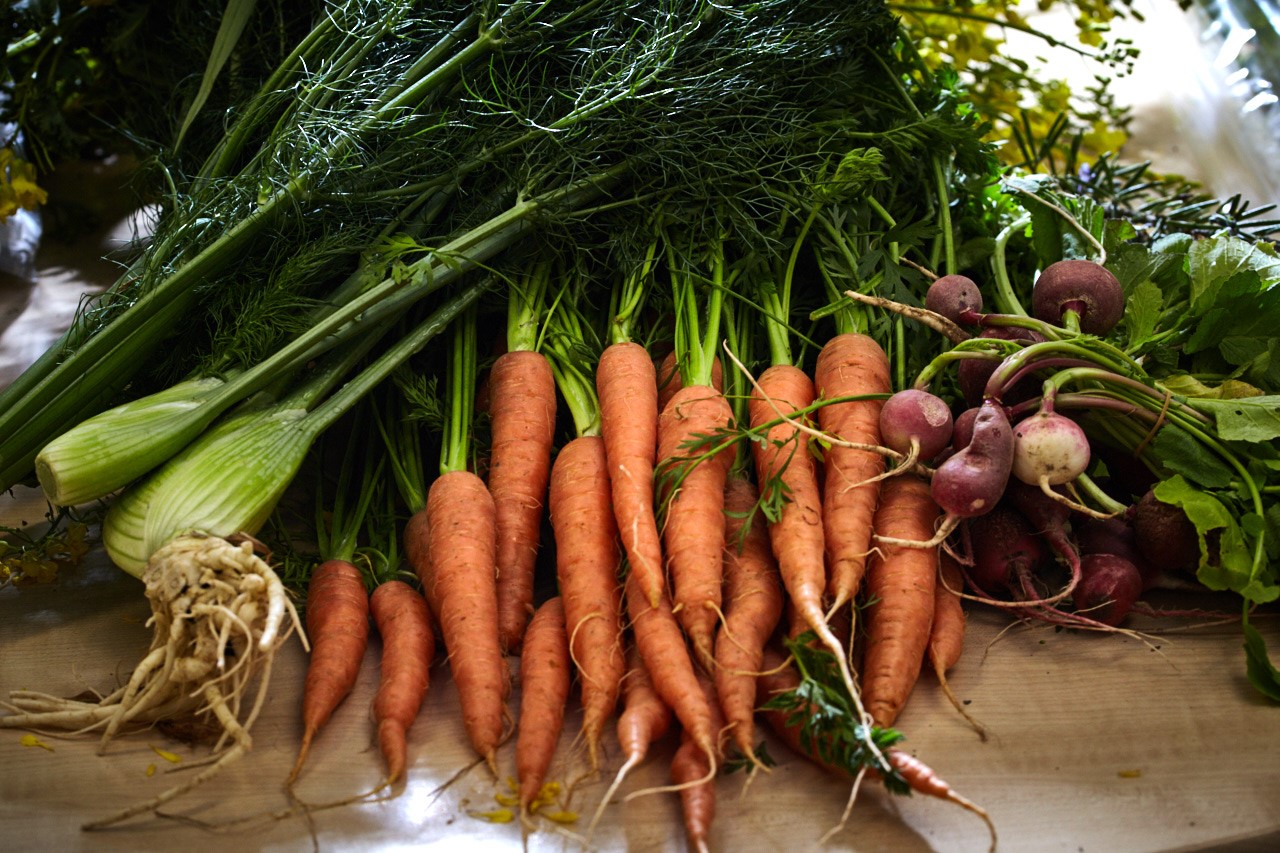
Karottengrün, Rettichblätter und Melonenschalen: Seit 2014 inspiriert die Schweizer Initiative „Leaf to Root“ zur Verwendung von Gemüseteilen, die meist im Müll landen. Die gleichnamige Website präsentiert neben Rezepten und Workshops auch Best-Practice-Beispiele zur nachhaltigen Lebensmittelverwendung. Zudem bietet die Plattform eine Übersicht zu Bauern, die ungewöhnliche Gemüseteile ernten – und Restaurants, die diese verarbeiten.
Andere Länder grillen es vor
Last but not least bleibt festzuhalten: Unser aktuelles Essverhalten inklusive feinem Lendensteak und makellosem Gemüse ist kein Naturgesetz. Das merken vor allem Reisende. In Argentinien beispielsweise kommt beim traditionellen Asado das ganze Tier auf den Grill. Inklusive Dünndarm „Chinchulines“ und Kalbsbries „Mollejas“. Andernorts gelten wiederum bestimmte Teile als Spezialität, wie die gegrillten Hühnerfüße „Jizhua“ in China oder der traditionelle italienische Innereieneintopf „Finanziera“ mit Hahnenkämmen.
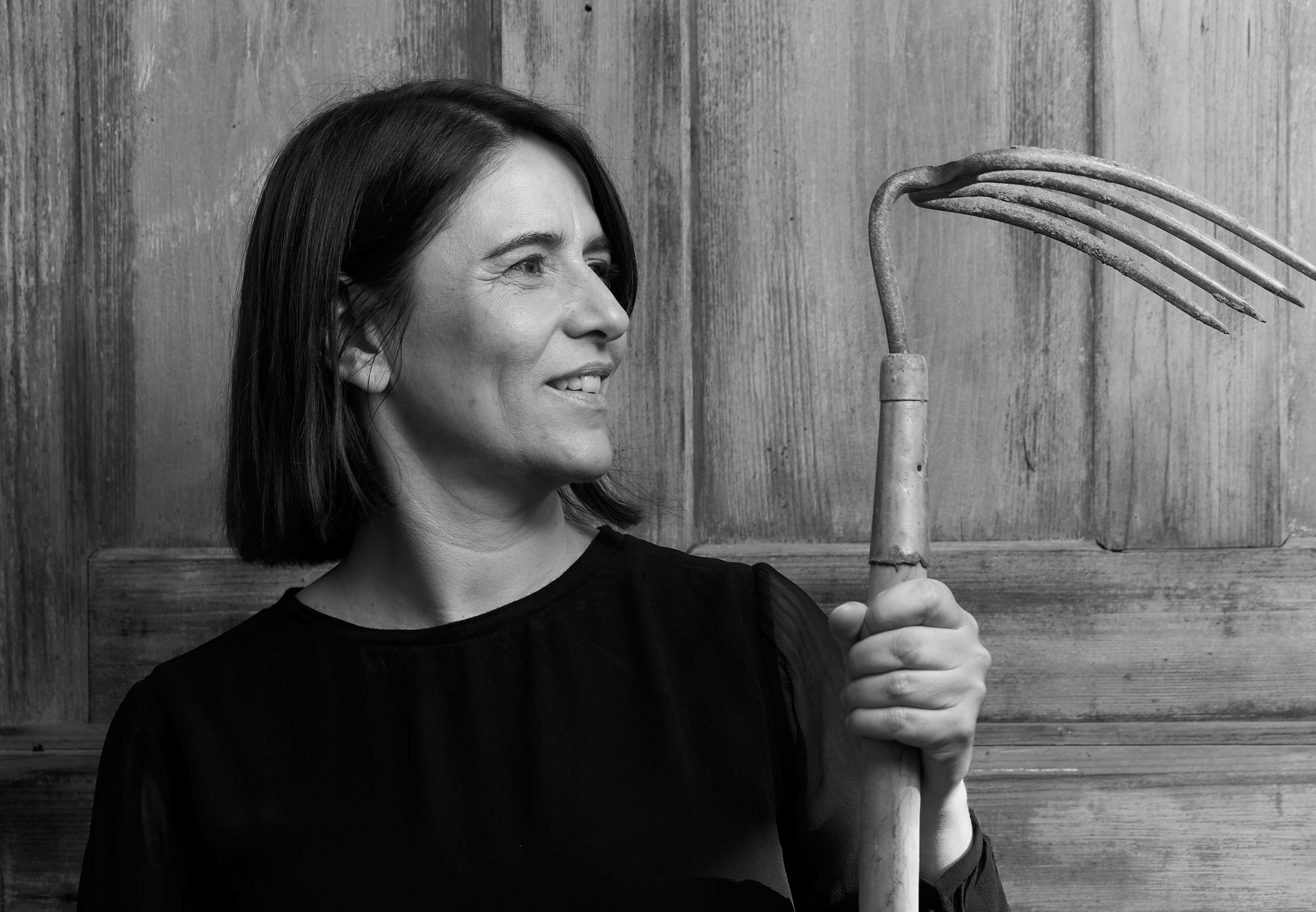
In Österreich hätte speziell die Wiener Küche mit Schmankerln à la Grammelschmalz, Kuddelflecksuppe und Co viel zu bieten – auch wenn das heute zumeist nur der Großelterngeneration unter die Nase geht. Dennoch die Menschen interessieren sich dafür: Das zeigt nicht zuletzt der Erfolg der 2016 vom ORF ausgestrahlten Kochshow „Ochs im Glas“, bei der binnen zwei Wochen ein ganzes Rind in 600 Gläser eingerext wurde – von Kopf bis Fuß.
Ob sich die ganzheitliche Lebensmittelverwertung auch wieder in der breiten Masse durchsetzt? Anstatt zu warten, bis wir durch steigenden Hunger und die wachsende Weltbevölkerung dazu gezwungen werden, lassen wir uns von den spannenden Initiativen inspirieren und genießen bewusst das ganze Lebensmittel.