
Unter all den Themen, die wir uns als Bewohner der westlichen Wegwerf-Gesellschaft vorknüpfen könnten, sticht ein Thema ganz besonders ins Auge. Weil wir es uns wirklich einfach sparen könnten. Faszinierend ist auch, dass wir alle zu diesem Thema der gleichen Meinung sind. Von welchem Thema wir sprechen? Es geht ans Eingemachte. Wir nehmen das Thema Lebensmittelverschwendung ins Visier.
Wollen wir Essen wegwerfen?
Mussten Sie sich schon einmal einer müßigen Diskussion stellen, in der jemand die Meinung vertrat: „Ein Drittel unserer Lebensmittel sollte aber wirklich im Müll landen!“. Vermutlich nicht. Und trotzdem passiert genau das [1] . Ein Drittel der Lebensmittel weltweit landet nicht am Bestimmungsort, in unseren Mägen, sondern wird auf die eine oder andere Art verschwendet.
Das ist ein Paradebeispiel für eine Leistung, zu der nur unser menschliches Gehirn fähig ist: wir wollen keine Lebensmittel verschwenden, tun es aber trotzdem. Im großen Stil. Psychologen nennen dieses Phänomen kognitive Dissonanz.
Lebensmittelverschwendung zieht sich durch alle sozialen Schichten. Aus so ziemlich jedem österreichischen Kühlschrank werden regelmäßig – womöglich unter größtem Bedauern und mit gediegenem Grausen – mehr oder weniger verdorbene Kandidaten geborgen und in der Mülltonne entsorgt.
Die Gründe dafür sind vielfältig: oft vernebelt unsere beschleunigte Alltagshektik den Blick auf Verderbliches oder planlos Eingekauftes. Oder wir erliegen dem Sirenen-artigen Charme von Sonderangeboten und Großpackungen.
Was uns fehlt? Ein kleiner Schubser
Wie so oft bräuchten wir einen kleinen Schubser, um uns aus dieser Zwickmühle zwischen „wissen, was wir tun wollen“ und „trotzdem etwas Anderes tun“ zu befreien. Ich lade sie hiermit zu einem sanften ‚Schubser‘ aus einprägsamen Bildern, Zahlen und Vergleichen ein.
Willkommen in Verschwendistan
Dazu verreisen wir kurz in ein fiktives Land. Nennen wir es „Verschwendistan“. In diesem Land werden alle jene Lebensmittel angebaut, die zwar erzeugt, aber nie gegessen werden. Weil sie zu groß, zu klein, nicht schön genug etc. sind. Oder weil sie auf ihrer Transport-Odyssee um die halbe Welt verderben. Oder in Geschäften schlecht werden. Oder – und dieses Schicksal teilt über die Hälfte der Lebensmittelabfälle hierzulande [1] – weil sie in unserer Obhut in der Tonne landen.
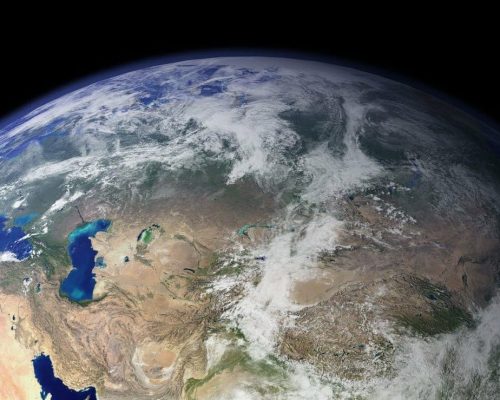
Dieses Land ist annähernd so groß wie Russland [2]. Wollten wir ‚Verschwendistan‘ zu Fuß durchwandern, müssten wir uns ein Jahr dafür Zeit nehmen. Aber auch die Wassermengen, die jährlich in ‚Verschwendistan‘ verbraucht werden, sprengen unsere Vorstellungskraft: 250 km³ [2]. Viermal höher als der Wasserverbrauch der USA.
Und auch bei den jährlichen Klimaverhandlungen würden alle Augen auf die Delegierten von ‚Verschwendistan‘ blicken: schließlich hätte dieses Land die dritthöchsten Emissionen weltweit, nach den USA und China [2].
Mit den Lebensmitteln, die in ‚Verschwendistan‘ jährlich umsonst erzeugt werden, könnten ca. 2 Mrd. Menschen ernährt werden. Was uns vor dem Hintergrund, dass noch immer eine knappe Milliarde Menschen weltweit nicht genug zu essen hat, vermutlich alle unwillkürlich den Kopf schütteln lässt.
Würde es uns gelingen das Netz der Lebensmittelrettung weltweit möglichst engmaschig zu knüpfen, könnte Thema „Hunger“ endgültig von den Schlagzeilen in die Geschichtsbücher verbannt werden. Was sich die Vereinten Nationen bis 2030 ohnehin zum Ziel gesetzt haben. Keine Frage, dass dieses Land so schnell wie möglich wieder von der Landkarte verschwinden sollte.
Die Negativ-Hitlist der Verschwendung
Richten wir den Blick kurz zurück in unsere Alltagsrealität, um zu sehen, wo unser Beitrag dazu liegen könnte. Schließlich könnten allein in Österreich ca. 500.000 t Lebensmittelabfälle im Jahr vermieden werden [3].
Der Löwenanteil geht dabei definitiv auf das Konto der privaten Haushalte: 206.000 t pro Jahr vermeidbare Lebensmittelabfälle [3]. Jeder Österreicher wirft im Durchschnitt ein Viertel der eingekauften Lebensmittel weg [2]. Wobei es ein Stadt-Land-Gefälle gibt: städtische Haushalte werfen weit mehr weg als ländliche Haushalte [4]. Jüngere Menschen gehen zudem mit Lebensmitteln deutlich verschwenderischer um als ältere Generationen.
Was wird dabei vorrangig weggeschmissen? Brot und Backwaren führen die Negativ-Hitliste der weggeworfenen Lebensmittel an, gefolgt von Gemüse und Obst. Platz drei nehmen Milchprodukte und Eier ein. Danach folgen Fleisch und Fisch [4].
Aber auch die Außer-Haus-Verpflegung schlägt z.B. durch Buffet-und Tellerreste in Restaurants oder nicht ausgegebene Speisen in Großküchen mit 175.000 t vermeidbaren Lebensmittelabfällen pro Jahr ordentlich zu Buche.
Die Lebensmittelabfälle im Handel rangieren in einer Größenordnung von 110.000 Tonnen pro Jahr. Hier gibt es Luft nach oben, was die Weitergabe von Lebensmitteln an soziale Einrichtungen betrifft: derzeit werden österreichweit 6% der nicht mehr verkäuflichen Lebensmittel weitergegeben [3].
Aber auch am Beginn der Wertschöpfungskette kommt es zu herben Verlusten. Auf mitteleuropäischen Äckern bleibt jede dritte Karotte liegen, weil sie ästhetisch nicht genügt. Wie lückenhaft die Kette der vollständigen Verwertung ist, zeigt auch eine Schweizer Studie mit dem Ergebnis auf, dass von 100 geernteten Kartoffeln nur 34 (!) gegessen werden.
Und um noch Eines darauf zu setzen: stellen wir uns kurz eine Rinderherde mit 230.000 Rindern vor. Diese gigantische Herde wird (jährlich!) in Deutschland umsonst geschlachtet, nur um letztlich zu Lebensmittelabfällen zu werden.
Das win-win-win der Lebensmittelrettung
Lebensmittelverschwendung kann uns weder ethisch, ökologisch noch sozial egal sein. Nicht zuletzt schaden wir uns auch wirtschaftlich damit. Stellen Sie sich vor, Sie treffen Ihren Nachbarn im Hof vor den Mülltonnen, mit gezücktem Geldbeutel. Fassungslos beobachten Sie ihn dabei, wie er einen Geldschein nach dem anderen in der Restmülltonne versenkt. Sie würden wohl versuchen ihn von dem Wahnsinn abzuhalten. 300€ einfach so in die Tonne zu bugsieren.
Faktisch läuft es aber genau darauf hinaus. Jeder österreichische Haushalt steckt 300€ jährlich einfach so in die Mülltonne – in Form von Lebensmitteln, die gekauft, aber nicht gegessen werden.
Fazit: als Menschheit können wir uns Lebensmittelverschwendung schlichtweg nicht länger leisten. Die gute Nachricht: ein Großteil davon ist vermeidbar ist, wenn wir eine Mischung aus rechtlichen, ästhetischen und praktischen Stellschrauben in Bewegung setzen. Die schlechte Nachricht? Und das ist das wirklich Spezielle am Thema Lebensmittelretten: es gibt keine. Da sind wir uns vermutlich alle einig.
 Über die Autorin
Dr. Sybille Chiari ist Teil des Redaktionsteams von „Nachhaltigkeit. Neu denken“ und beschäftigt sich seit vielen Jahren mit den Themen Nachhaltigkeits- und Klimakommunikation – forschend und schreibend. Sie ist Teil der Bewegung Scientists for Future und Obfrau des Vereins Bele Co-Housing (Gemeinschaftswohnprojekt mit biologischer, regenerativer Landwirtschaft www.belehof.at).

Super Beitrag !!!!
Ich bin 59 Jahre und bin in Linz groß geworden und wohne aber schon lange am Land in einem Haus .Wurde so erzogen das absolut keine Lebensmittel in den Müll kommen.
Und das bewährt sich voll…….wir haben vor Jahren die Biotonne abgemeldet und auch nicht im geringsten vermißt .
Alle Abfälle von frischem Obst und Gemüse landen im Komposter.
Knochen dürfen eh nur zum Restmüll.
Und man kann fast alles einfrieren.
Brot Gebäck und dergleichen
Zitronen werden abgerieben gepresst und der Zitronensaft in der Eiswürfelform und die Zesten werden getrennt eingefroren .
Parmesan g in Würfel geschnitten auch geht super……..und auch schnell gebrauchsfertig ….
Das sind super Tipps! gute Idee, das mit den Zitronen. 🙂